
8 - 10 November, 2026
Beyond the Fair
Tanzania is more than a destination safaris, Kilimanjaro, Zanzibar and the world's only source of tanzanite, all within reach of Arusha
Africa's most remarkable corner.
The HortiLogistica venue sits inside one of the planet's most extraordinary destinations. Just beyond the exhibition hall you can stand at the base of Africa's highest mountain, watch the largest land migration on earth, and hold a gemstone found nowhere else in the world. Plan an extra day or a week. Tanzania rewards either.
Arusha, the City the World Already Comes To
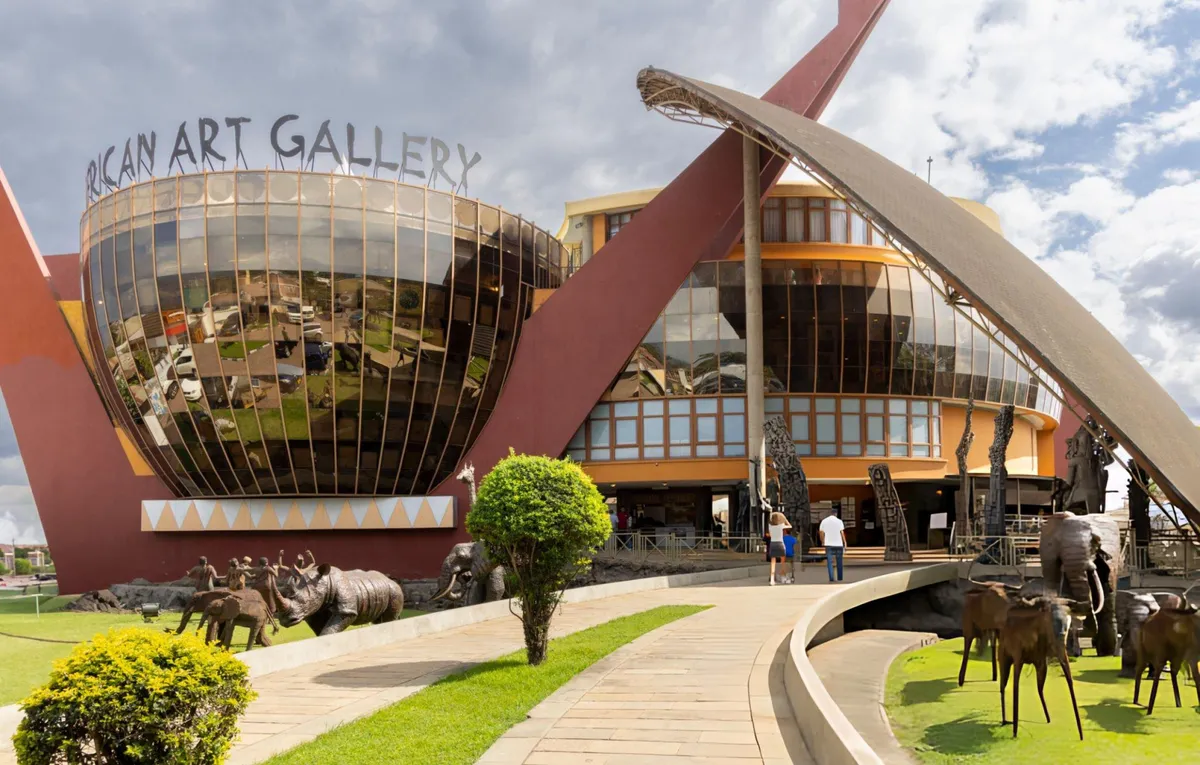
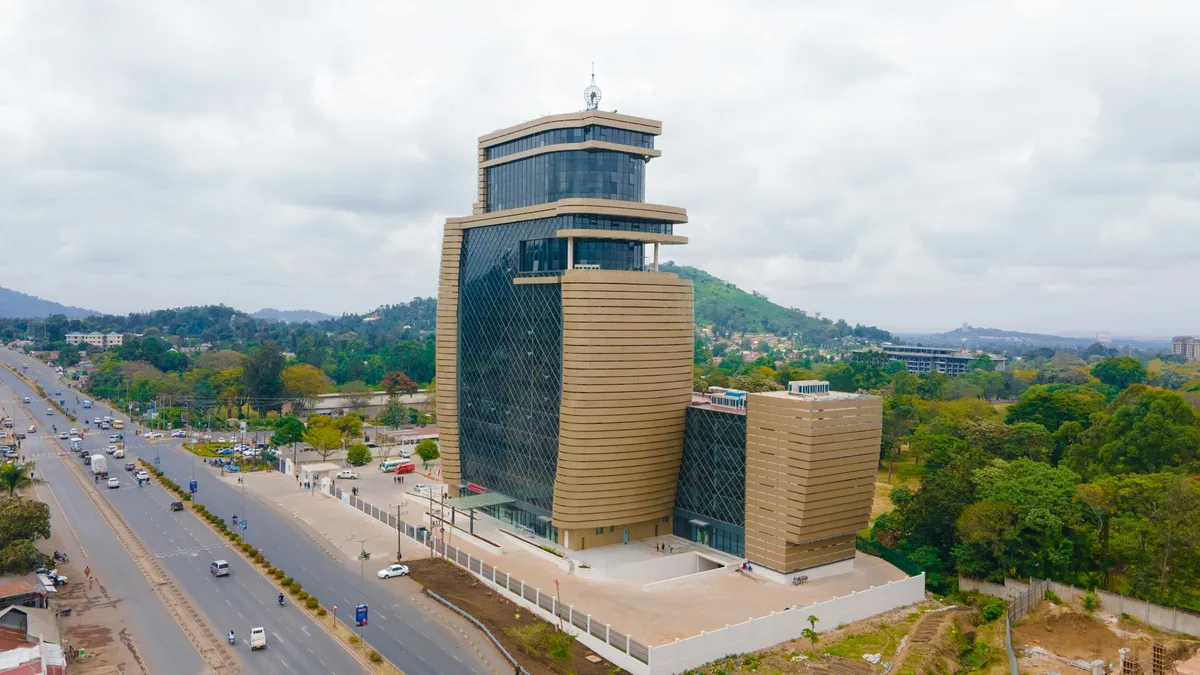
Arusha is more than a transit point; it is a city of depth where international summits, courts, and Maasai markets coexist beside luxury lodges. Mount Meru crowns the skyline, nights are cool, coffee is exceptional, and its people have welcomed the world for generations.
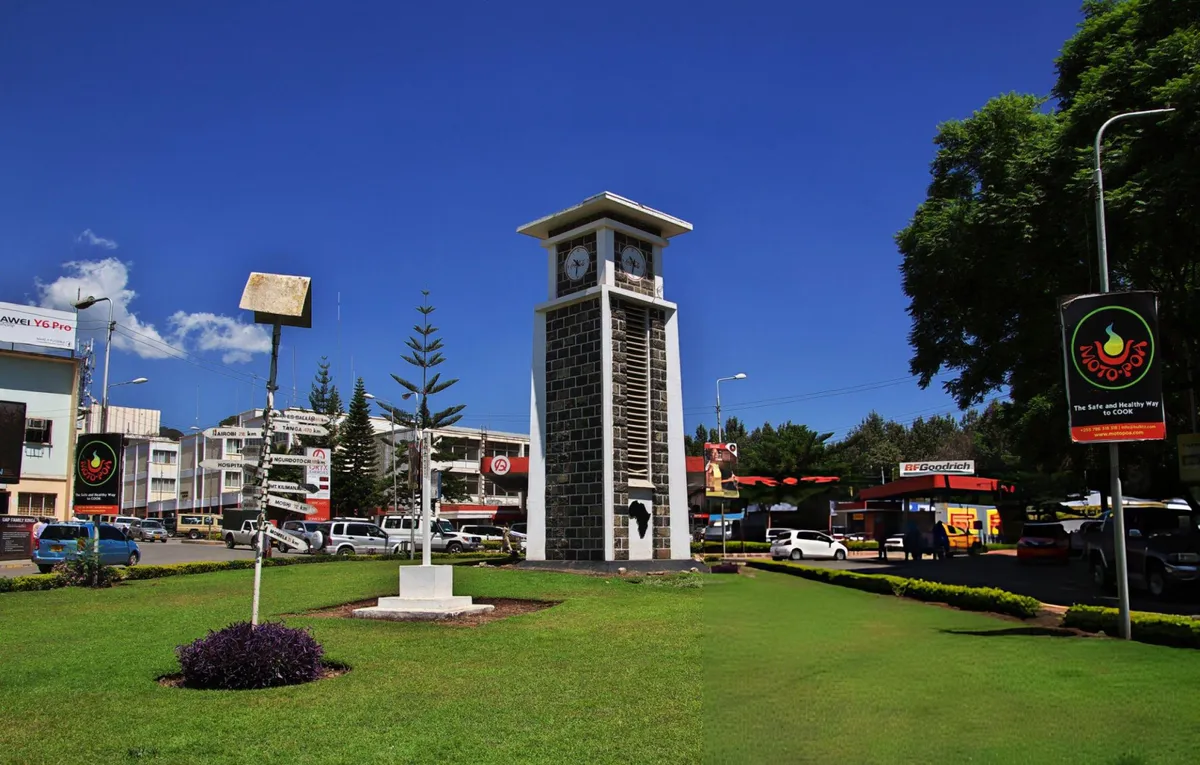

The clock tower that claims the middle
A Greek merchant’s 1945 gift, marking the spot the Cape-to-Cairo road was long said to divide in two
The Geneva of Africa
EAC headquarters, the African Court and 20-odd international bodies
Mount Meru, 4,566 m, out your window
Tanzania's second mountain, and the one you can climb in three days
Arabica grown on the slopes above town
Cherry to cup in an afternoon — your industry, seen from the farm
Arusha earned its nickname "the Geneva of Africa": the city has hosted peace negotiations, an international criminal tribunal, and more diplomatic delegations than almost anywhere else on the continent, all while remaining small enough to cross on foot in under an hour.
Beyond the boardrooms, Arusha is a working coffee town. Estate tours through the surrounding foothills let you follow a bean from red cherry to roasted cup in a single afternoon, guided by growers whose families have farmed the same slopes for generations.
The Wild North
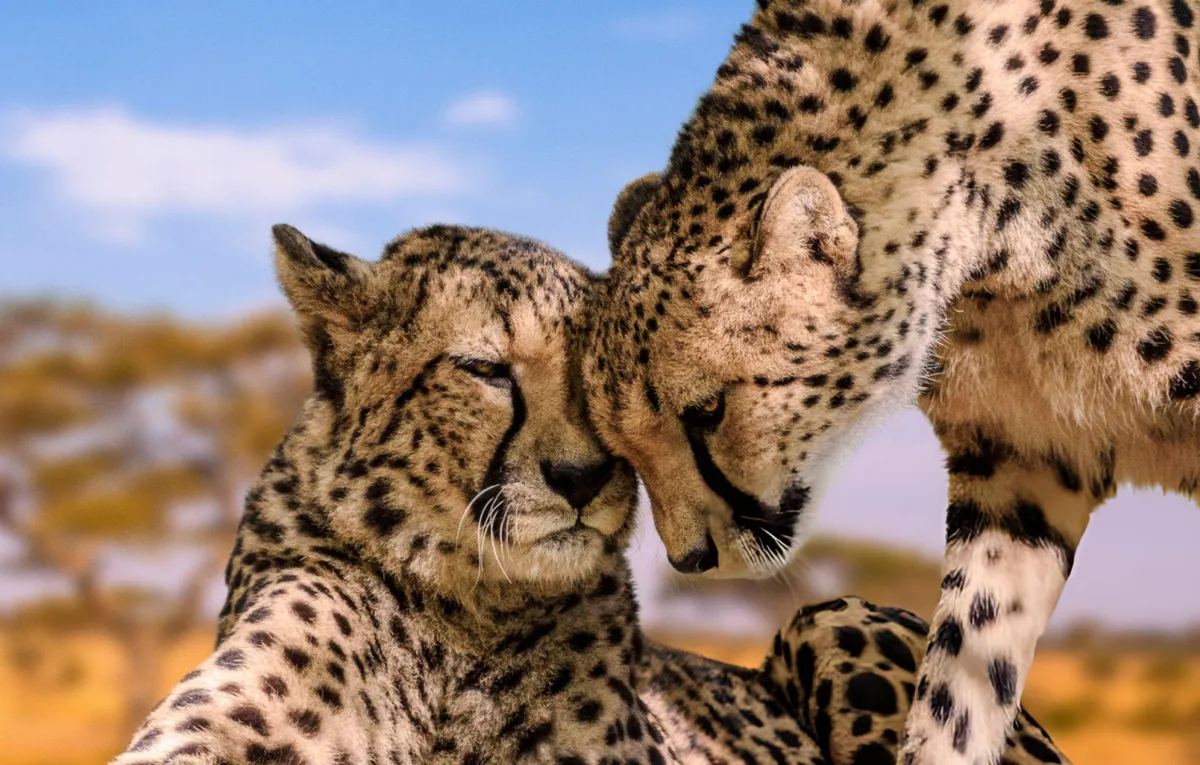
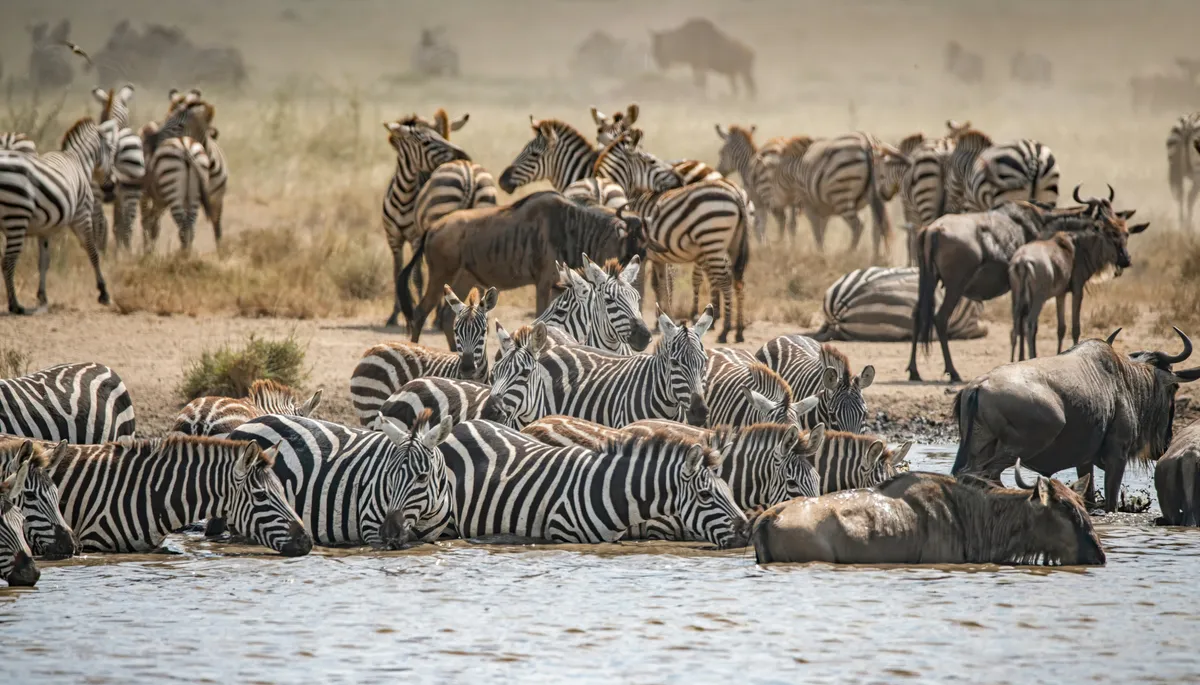
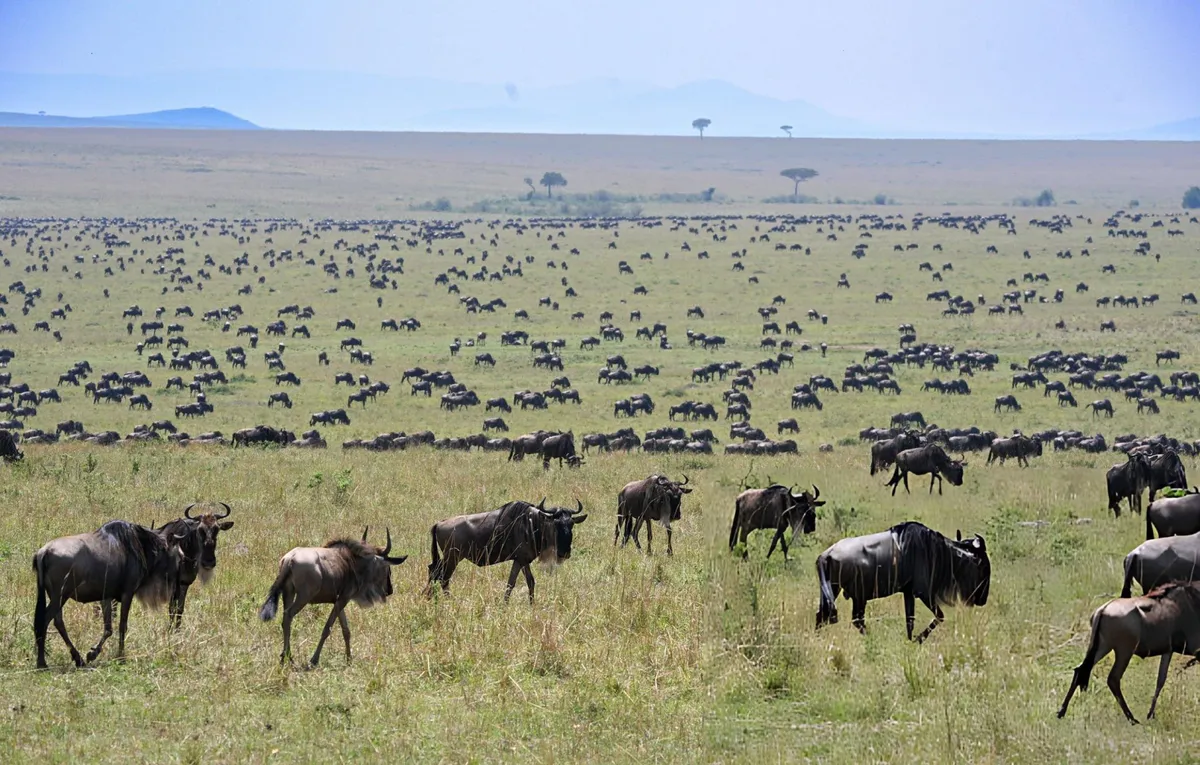
Tanzania holds one-quarter of Africa's large mammal population. The Serengeti, Ngorongoro Crater and Tarangire form a triangle of wilderness accessible in a single day from the exhibition hall. There is no equivalent anywhere else on earth.
Serengeti
The Great Migration — 1.5 million wildebeest and 200,000 zebra moving as one herd across plains that run to the horizon, trailed by the predators that live off them.
Ngorongoro
A collapsed volcano 600 m deep and 260 km² wide, with some 25,000 animals living inside it. Lions, elephants and black rhino, all in one morning, without leaving the crater floor.
Tarangire
Baobabs older than most nations, and the largest elephant concentrations in northern Tanzania, gathering along the river that gives the park its name.
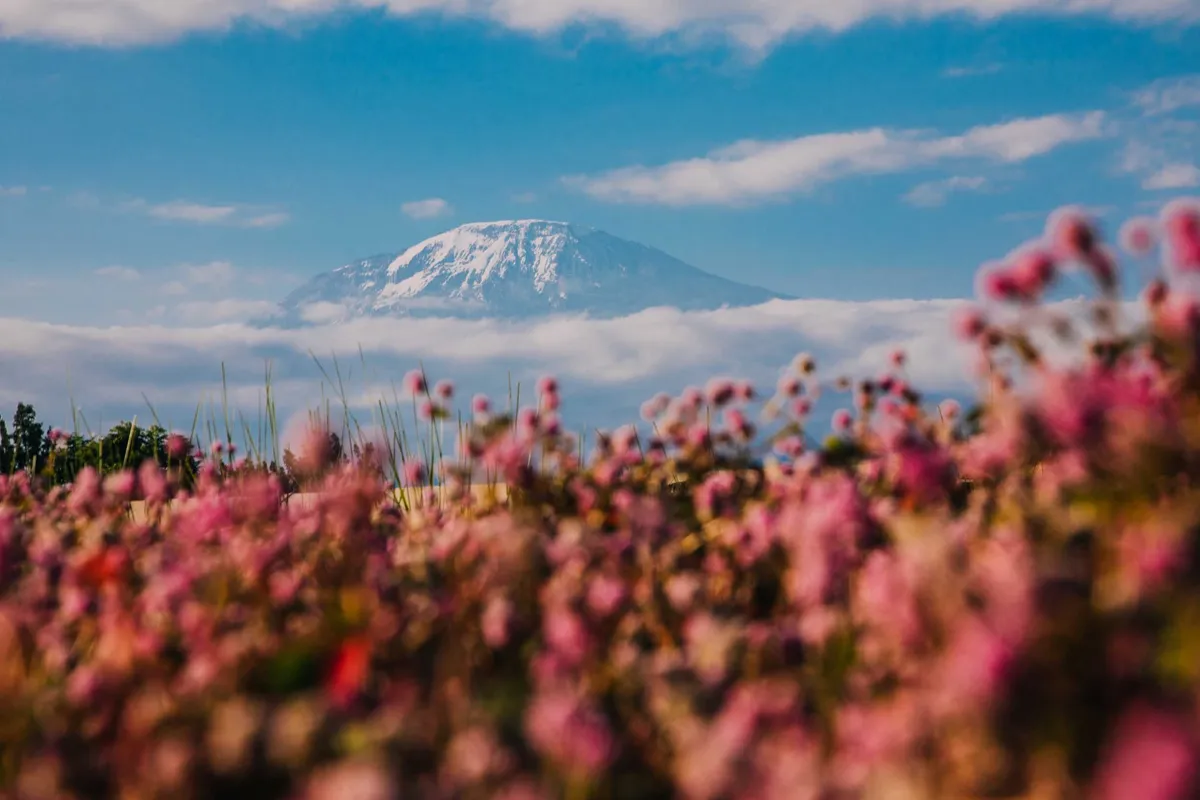
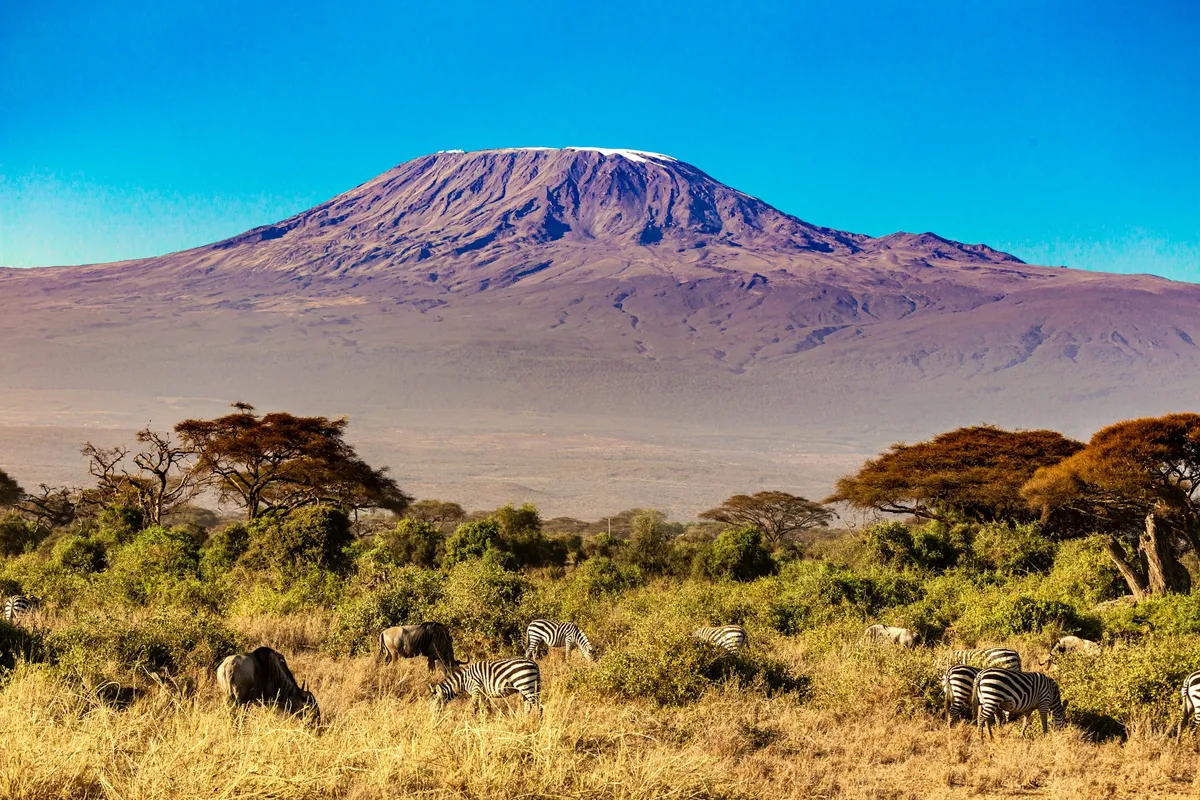
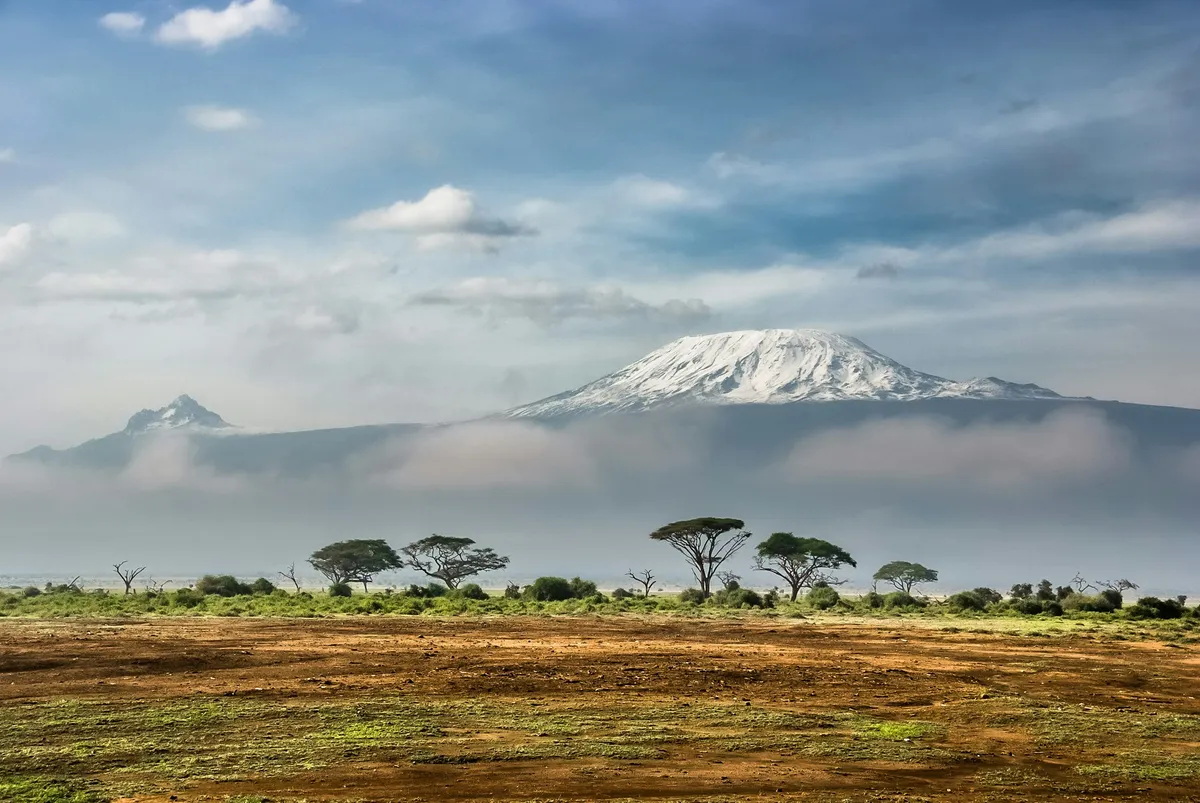
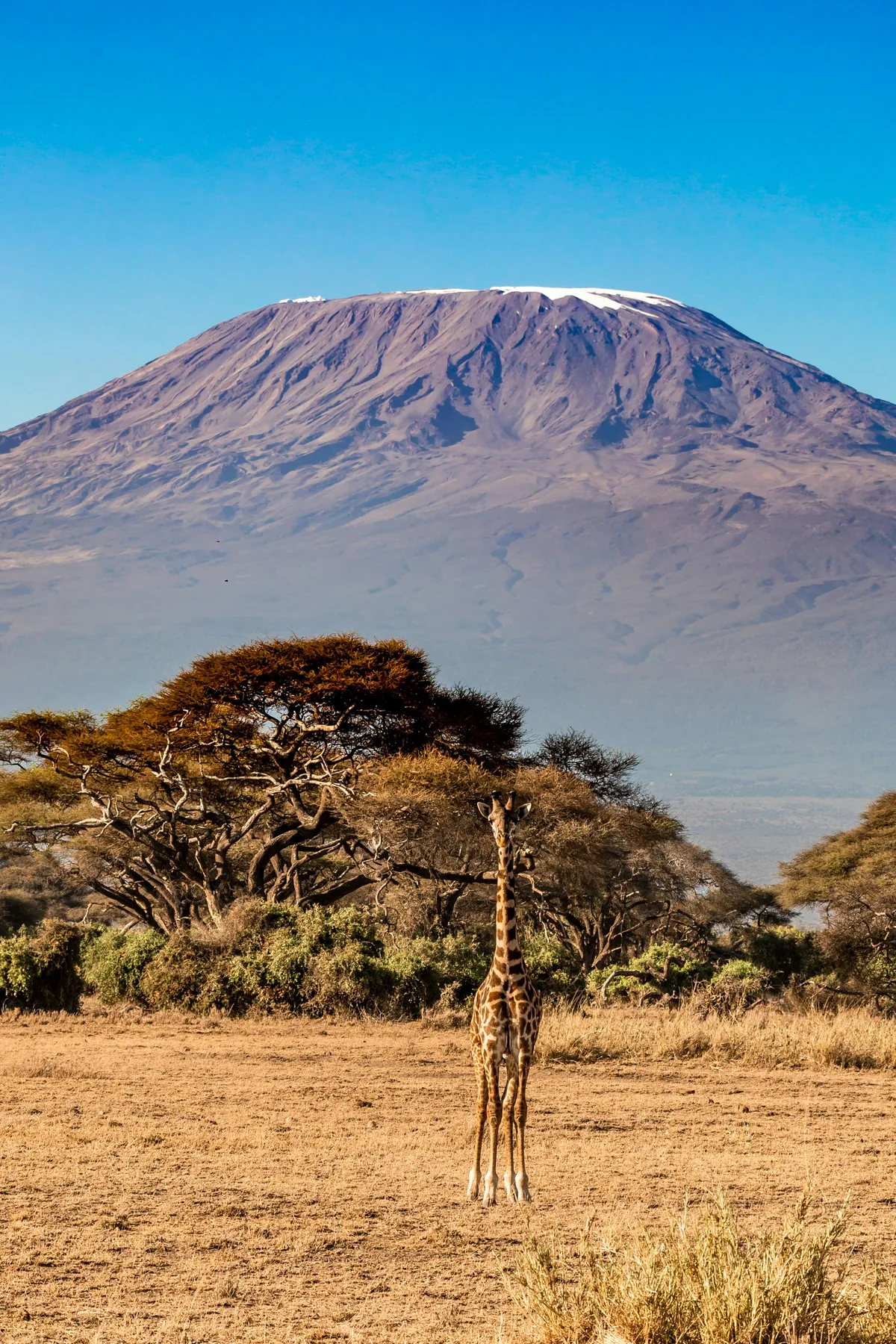
Africa's Roof: Kilimanjaro, Crowned at 5,895m
You don't need to climb it to be changed by it. The foothills carry coffee farms Kilimanjaro arabica is among East Africa's most prized speaking directly to this audience. For those with a week and a guide, seven established routes reach the summit. For everyone else, the view alone is worth the drive.
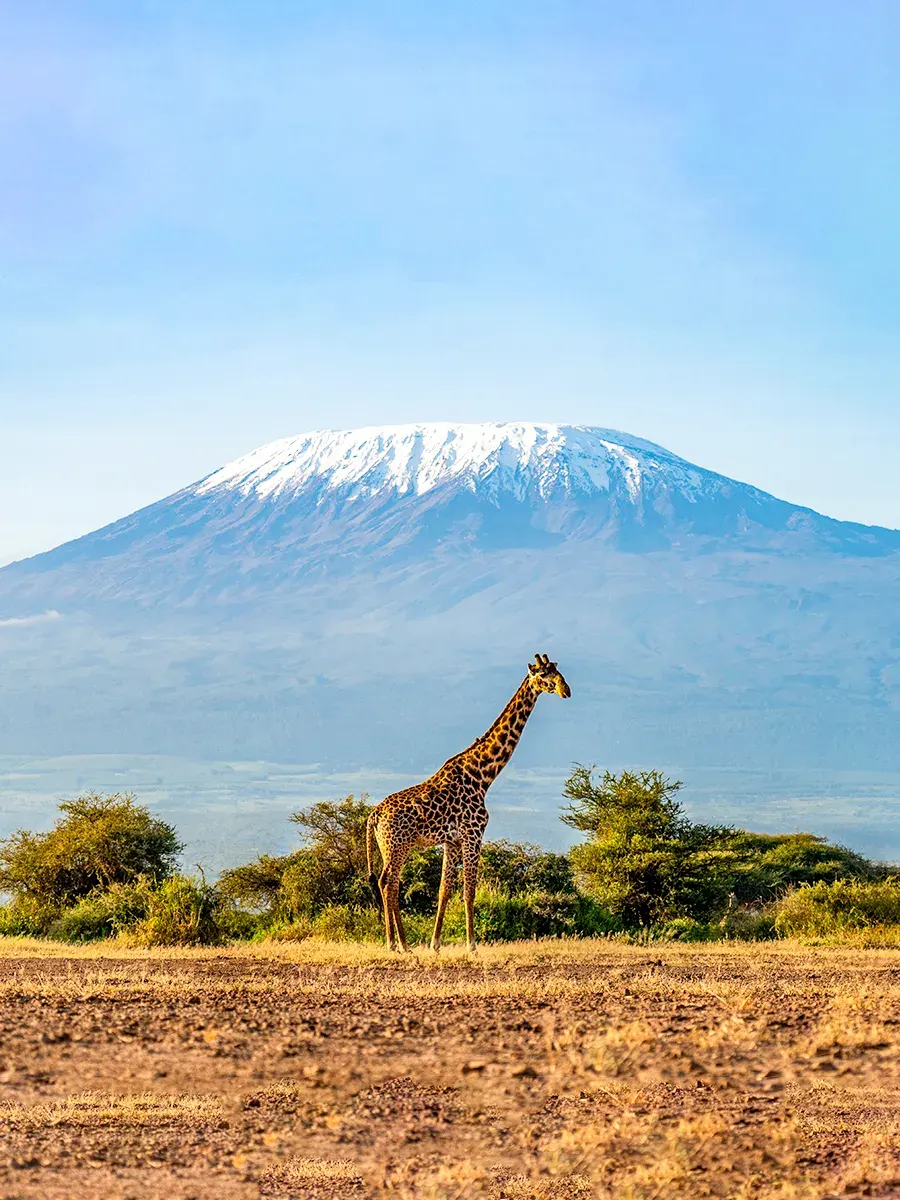
Seven routes to the summit
Marangu in five days, Lemosho in eight — no ropes, no experience required
Six to nine days on the mountain
The longer routes acclimatise better and summit more often
Coffee farms at the base
A half-day from Arusha, no climbing involved
Five climate zones in five days
Banana groves, rainforest, moorland, alpine desert, then glacier
The mountain rises directly from savanna floor to glacial summit with no intermediate range to soften the climb a journey through five distinct climate zones, from banana groves to Arctic-like ice, in under a week.
Even a half-day at the gate rewards you. Marangu and Machame villages sit at the mountain’s base, where porters and guides many climbing Kilimanjaro dozens of times a year will happily share what the summit actually demands, and what it gives back.
Zanzibar: The Legendary Spice Island
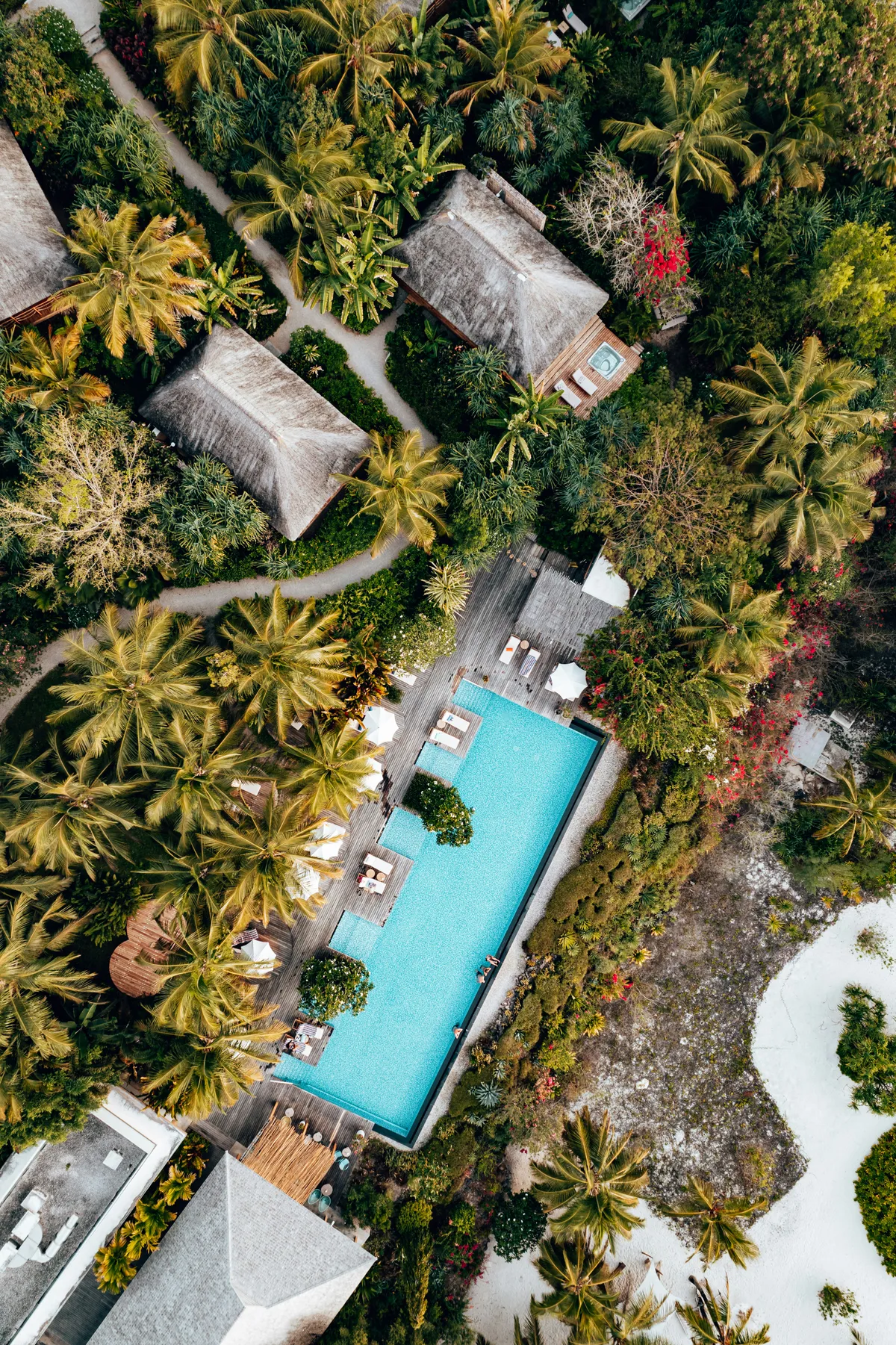
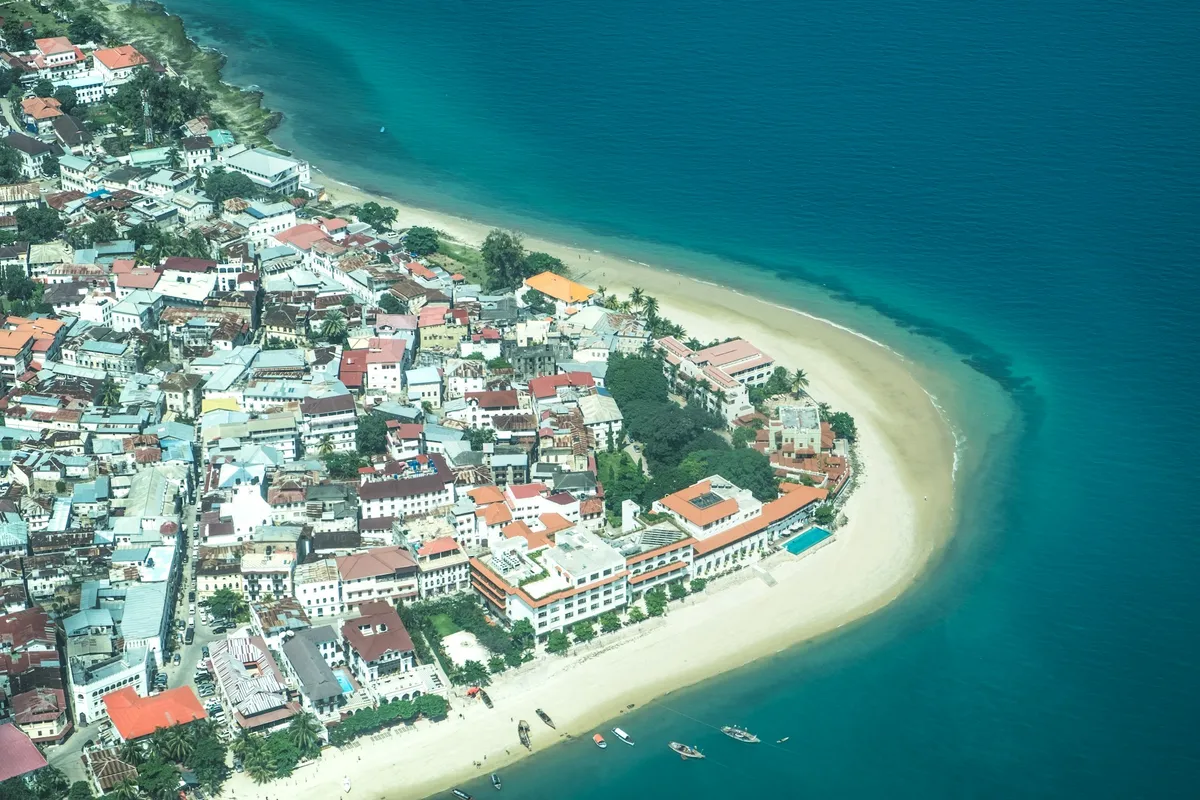
A single flight separates the exhibition floor from turquoise water and the winding alleys of Stone Town a Swahili city that has been a centre of Indian Ocean trade for a thousand years. The spice farms grow cloves, cardamom, vanilla and black pepper: familiar territory for this audience, seen from a completely different angle.
Stone Town
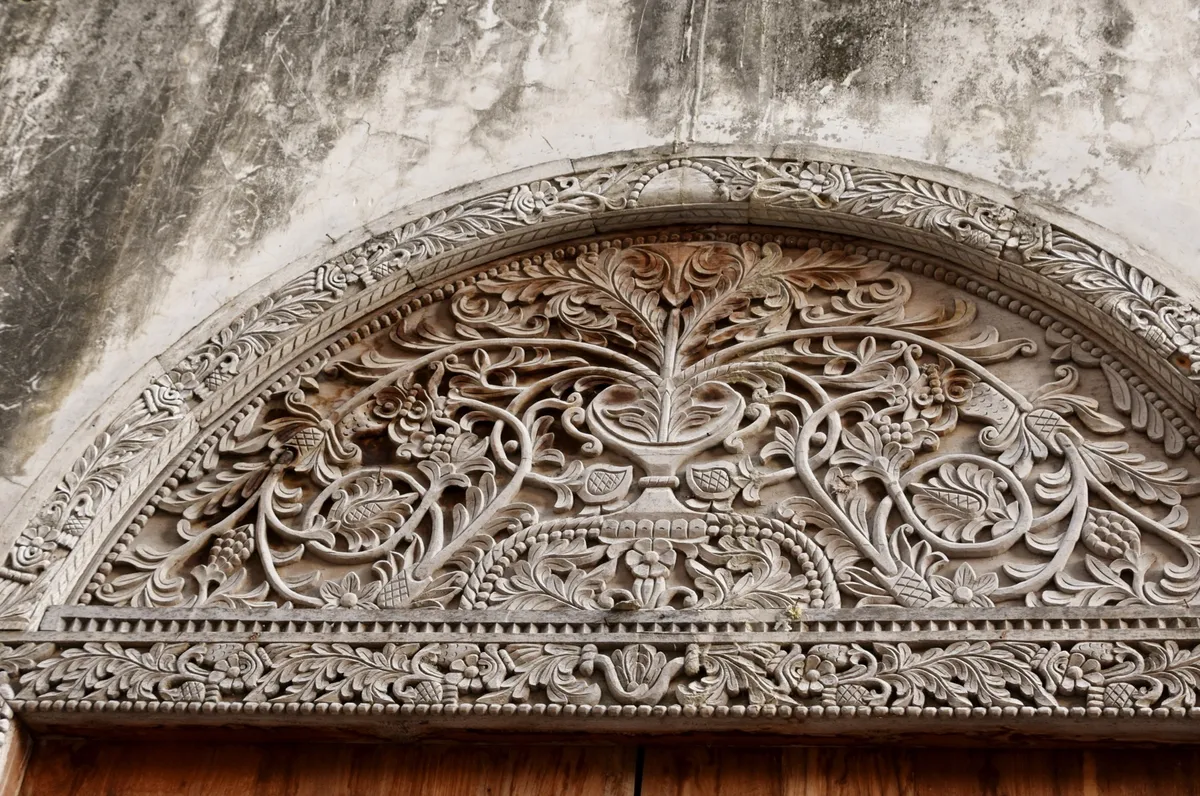
A heritage city of carved doors and narrow alleys.
Direct Flight
From Kilimanjaro to Zanzibar, reach the beach the same day.
Spice Farms
Clove, vanilla, and cinnamon tours starting at $15.
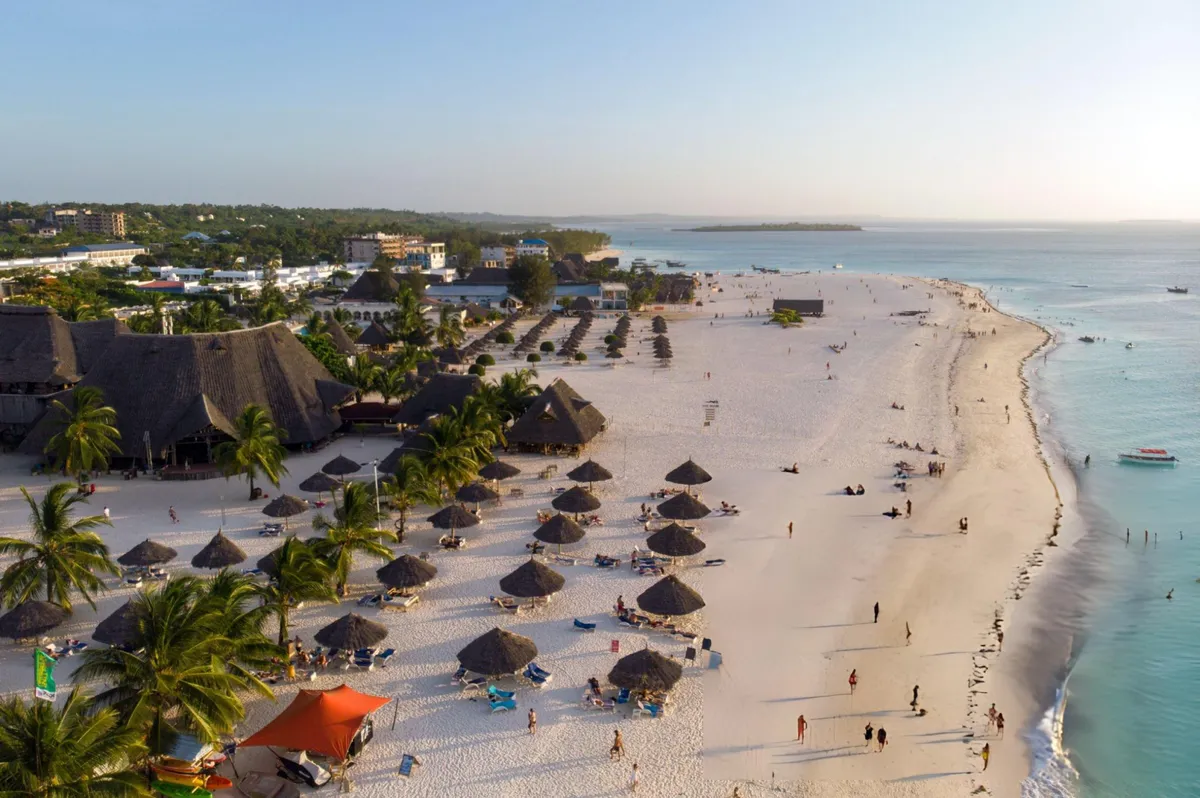
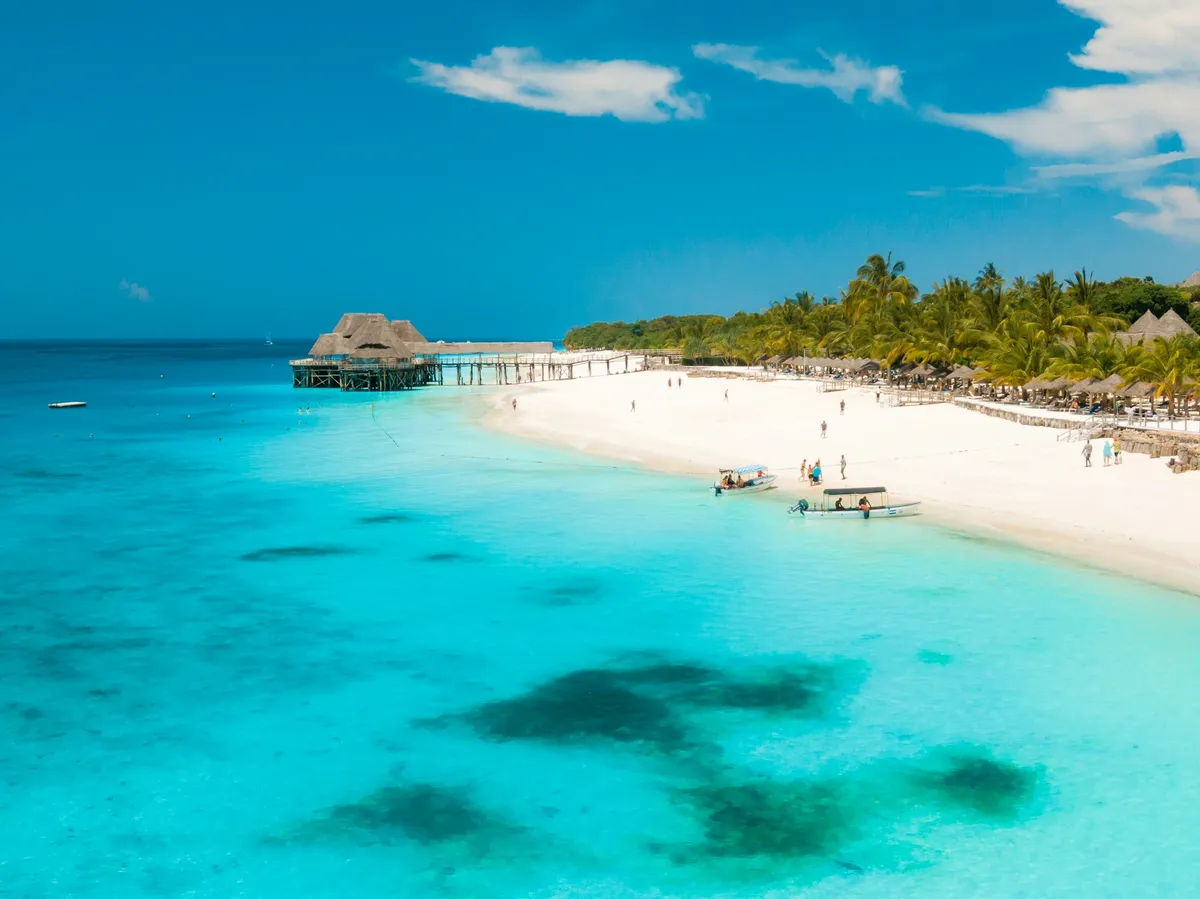
East Coast
White sand beaches and crystal-clear waters with daily tides.
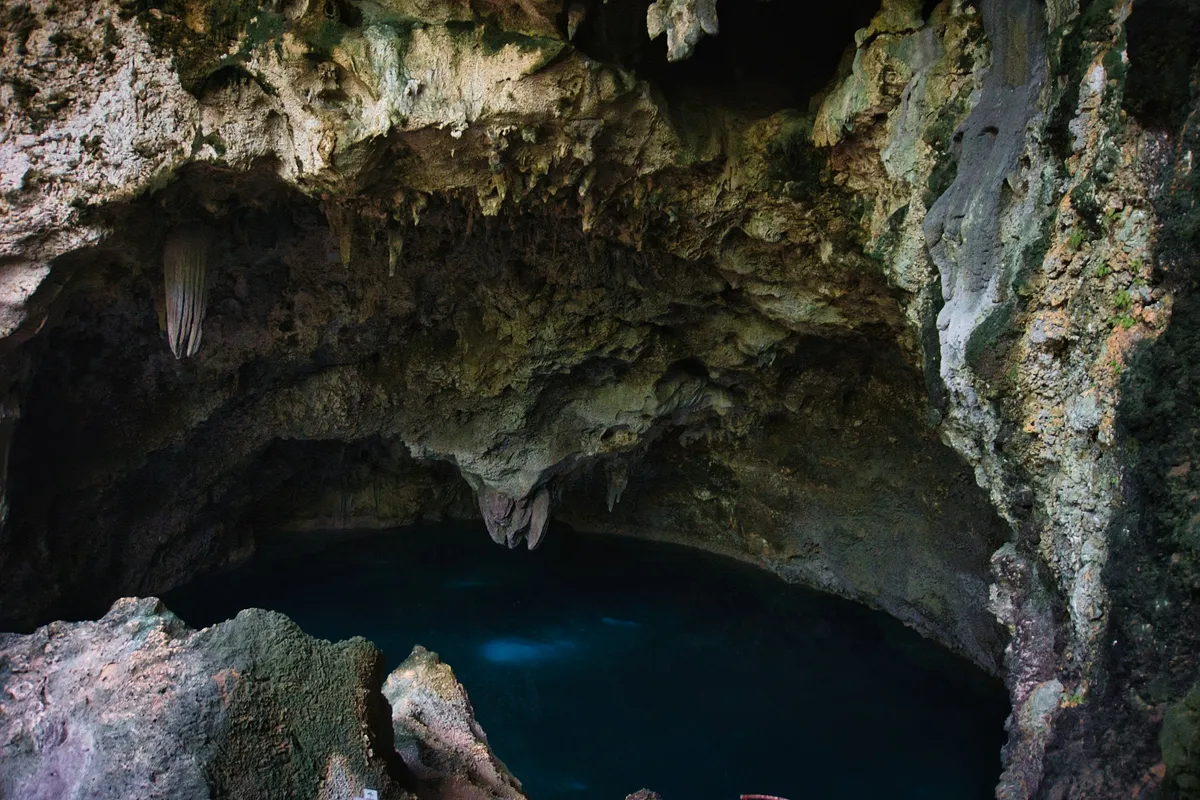
Kuza Cave & Mangapwani
A freshwater cave to swim in and a slave chamber rich in history.
Stone Town’s alleys were built too narrow for cars on purpose wide enough only for a loaded donkey to pass, a design choice from an era when the city was one of the busiest trading ports on the Indian Ocean. Carved wooden doors, a status symbol for 19th-century merchants, still mark the wealthiest old houses.
Beyond the historic core, the island’s east coast unfolds into some of the clearest water in the Indian Ocean, while at Mangapwani a chamber cut into the coral rock around 1880 held up to a hundred captives at a time, concealed there for illegal shipment after the 1873 treaty banned the trade. It was a holding cell, not a refuge — and a sobering, essential stop alongside the beaches.
Inside the Spice Farms
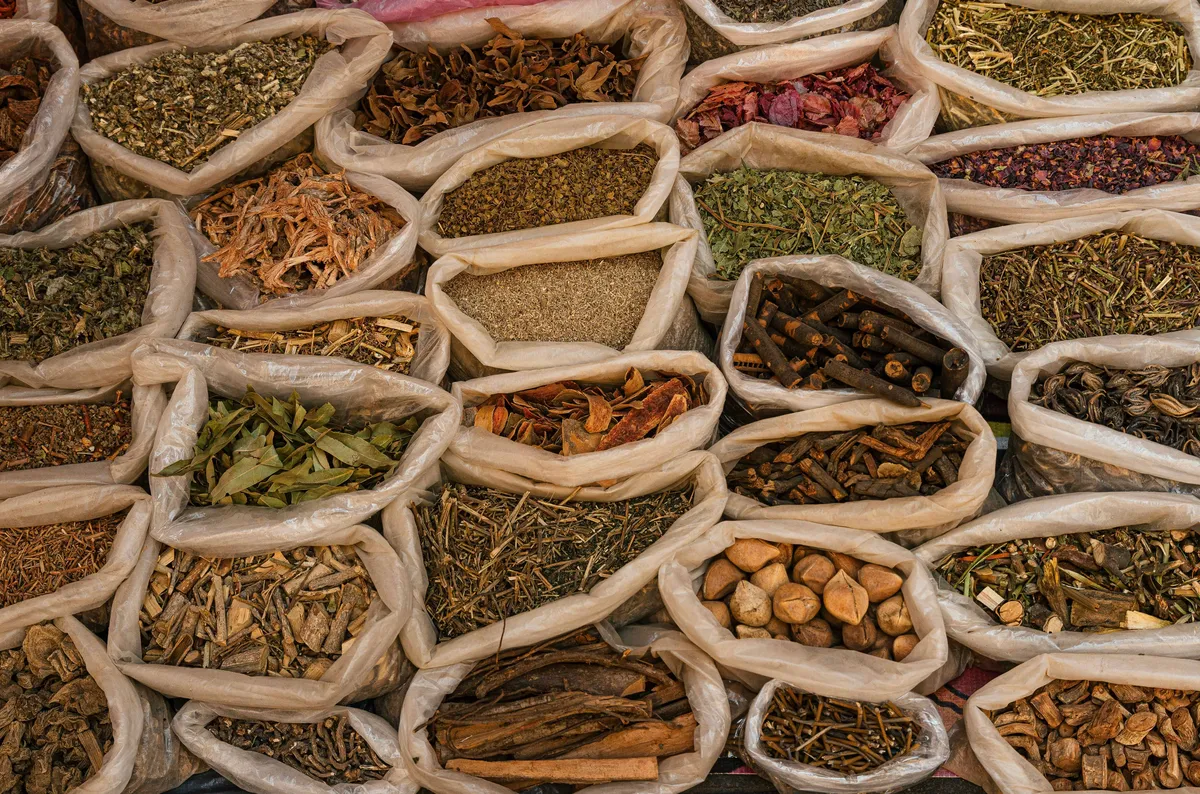
Portuguese and Omani traders built Zanzibar's economy on these hillside farms centuries ago, and they still supply some of the world's finest spices today. Guided tours walk you through working plantations smell, taste and touch the crops as growers explain how each one is farmed, harvested and cured for export.
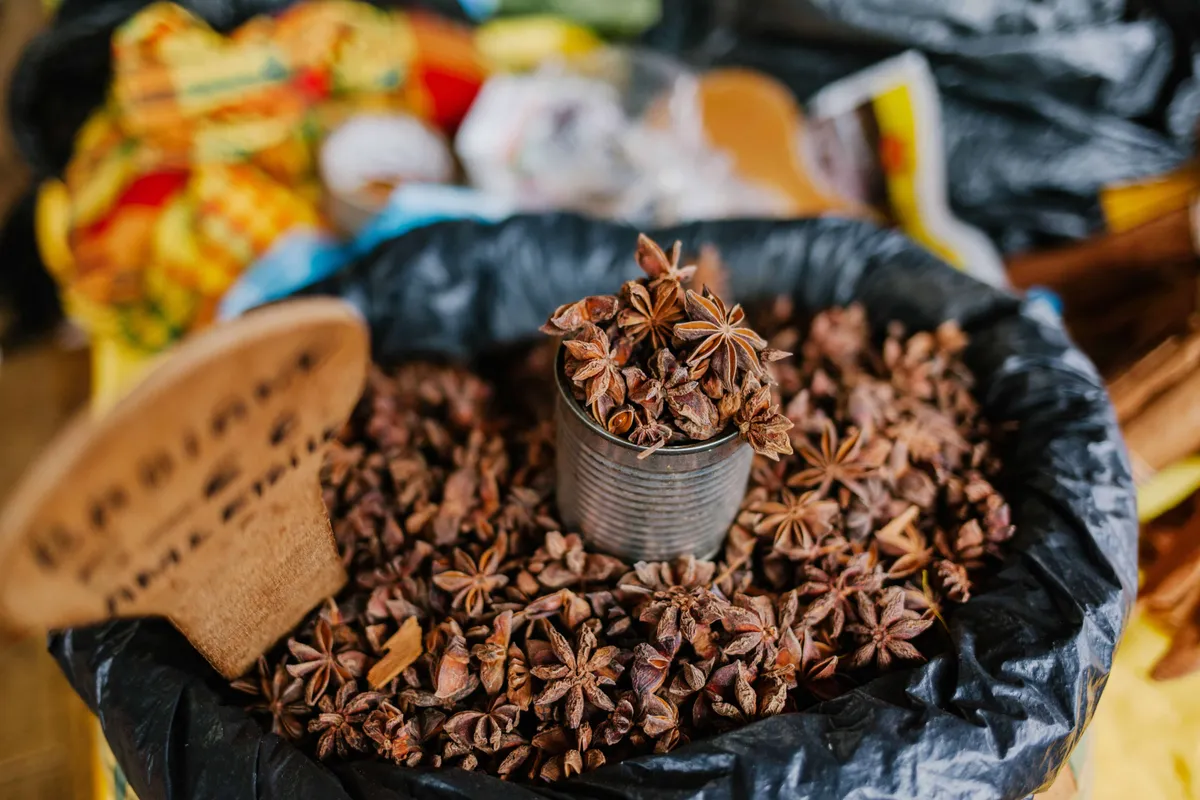
Cloves
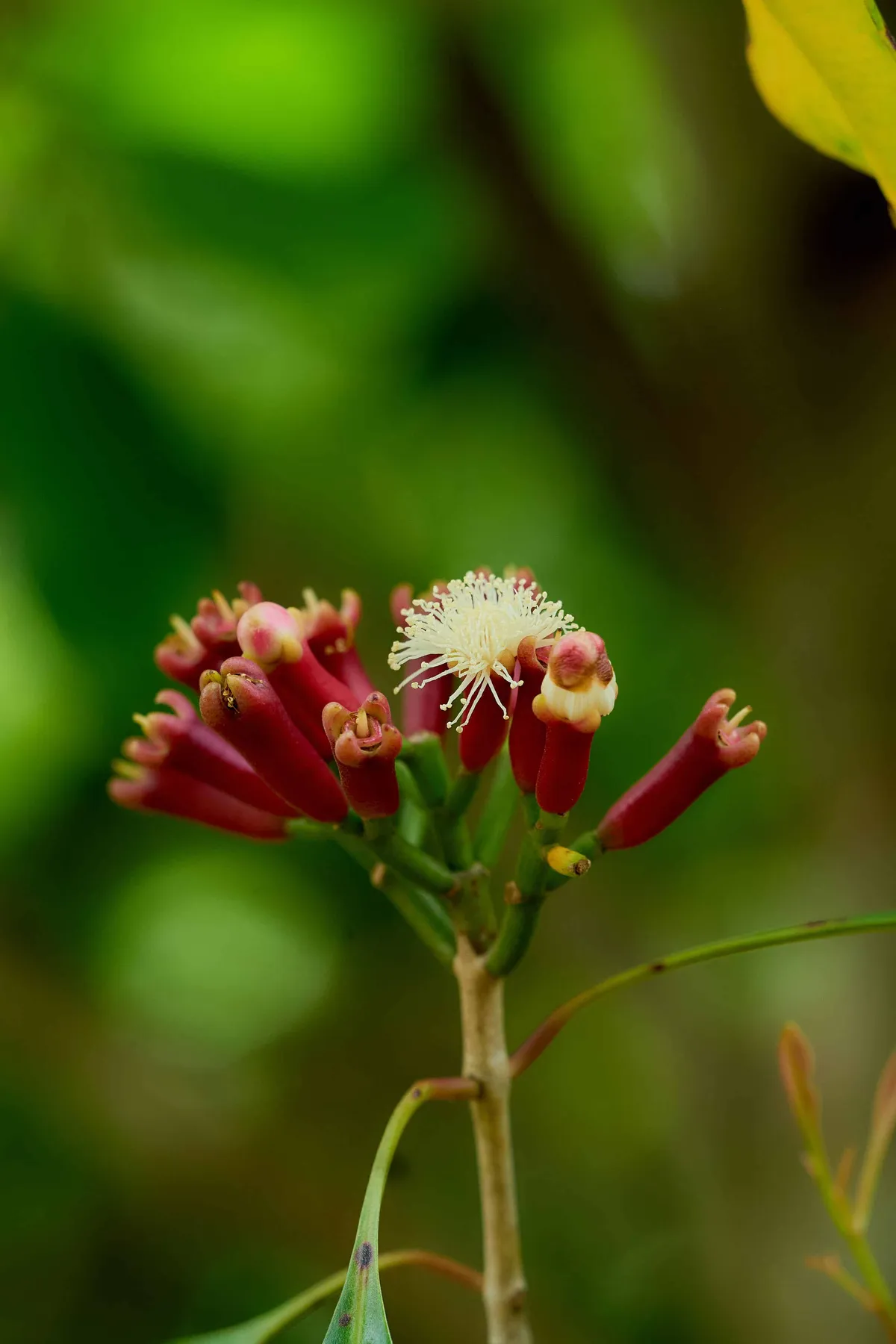
Zanzibar was once the world’s largest producer, still a defining export
Vanilla
hand-pollinated orchid pods, among the most labour-intensive spices grown
Black pepper
grown alongside cinnamon, nutmeg and cardamom on the same smallholder farms
Farm tours from ~$15
half-day guided walks, typically paired with a Stone Town visit
A single spice farm tour typically covers eight to ten crops in two hours, walking distance apart cloves drying on woven mats, vanilla vines trained up living trees, cinnamon bark peeled straight from the branch. Guides pass around fresh samples at every stop, so you leave knowing turmeric root by smell alone.
Zanzibar’s spice trade predates its beaches as a tourist draw by centuries. Omani sultans once taxed clove exports here more heavily than anywhere else on earth, and the industry still employs thousands of smallholder farmers across the island today.
Food & Culture Tanzania Inside Table, Street, People
Most business visitors skip the food and the street. The ones who don't remember Tanzania differently not as a conference destination, but as a place they'd choose to return to.
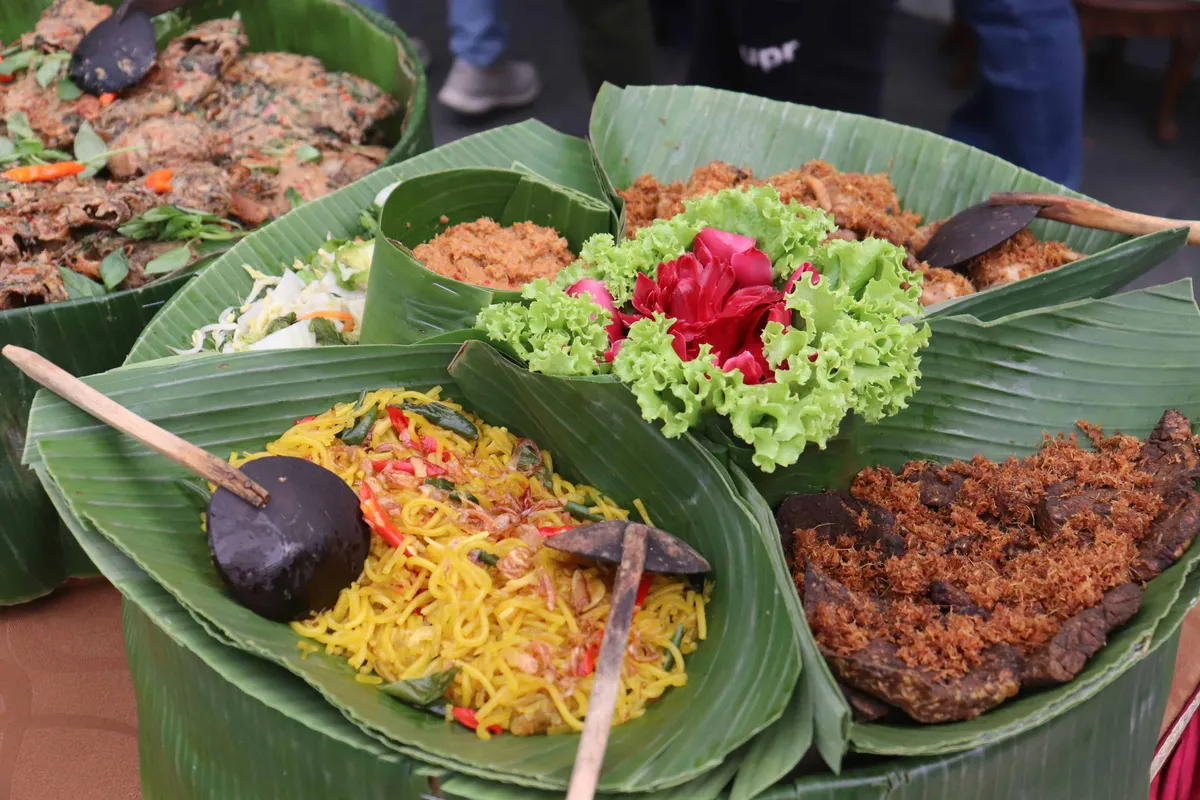
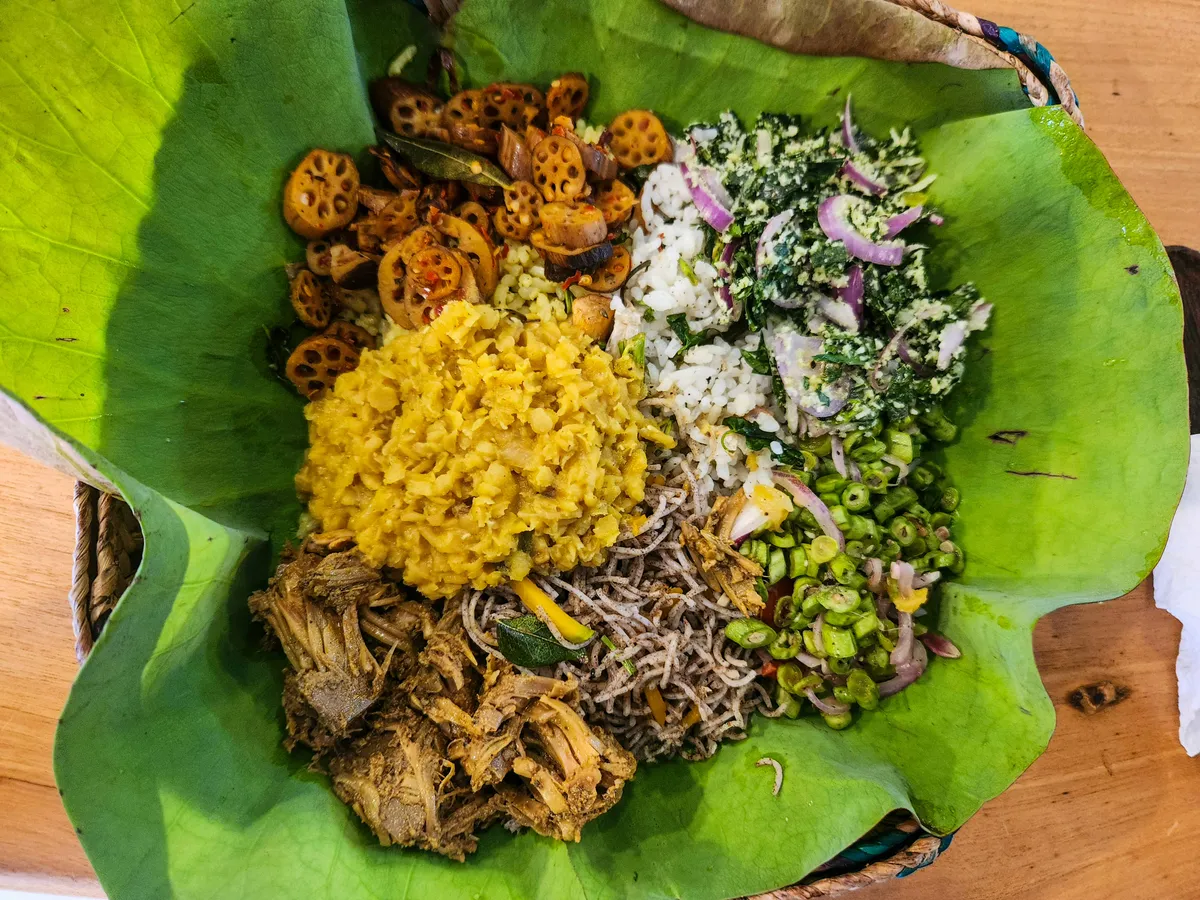
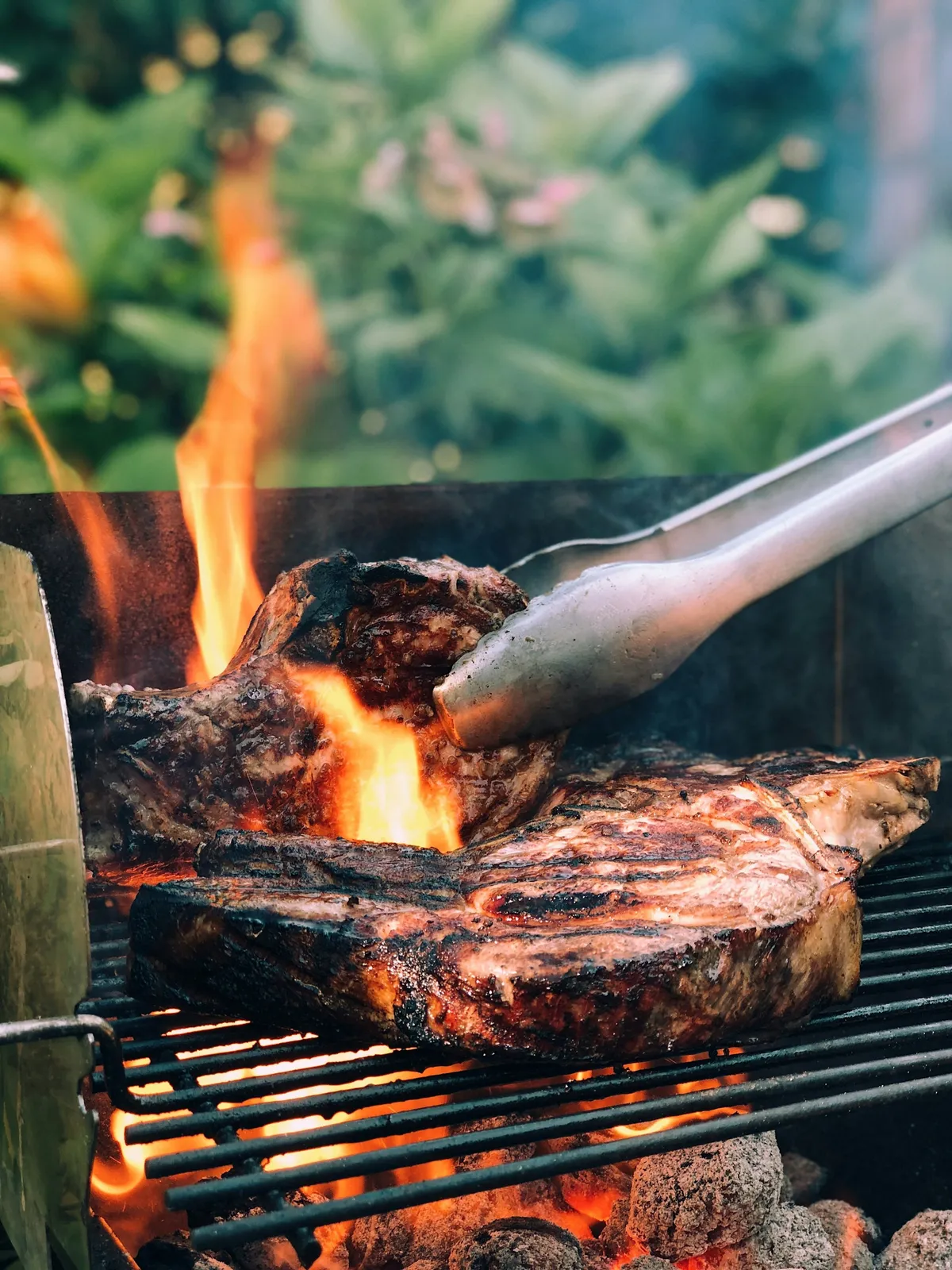
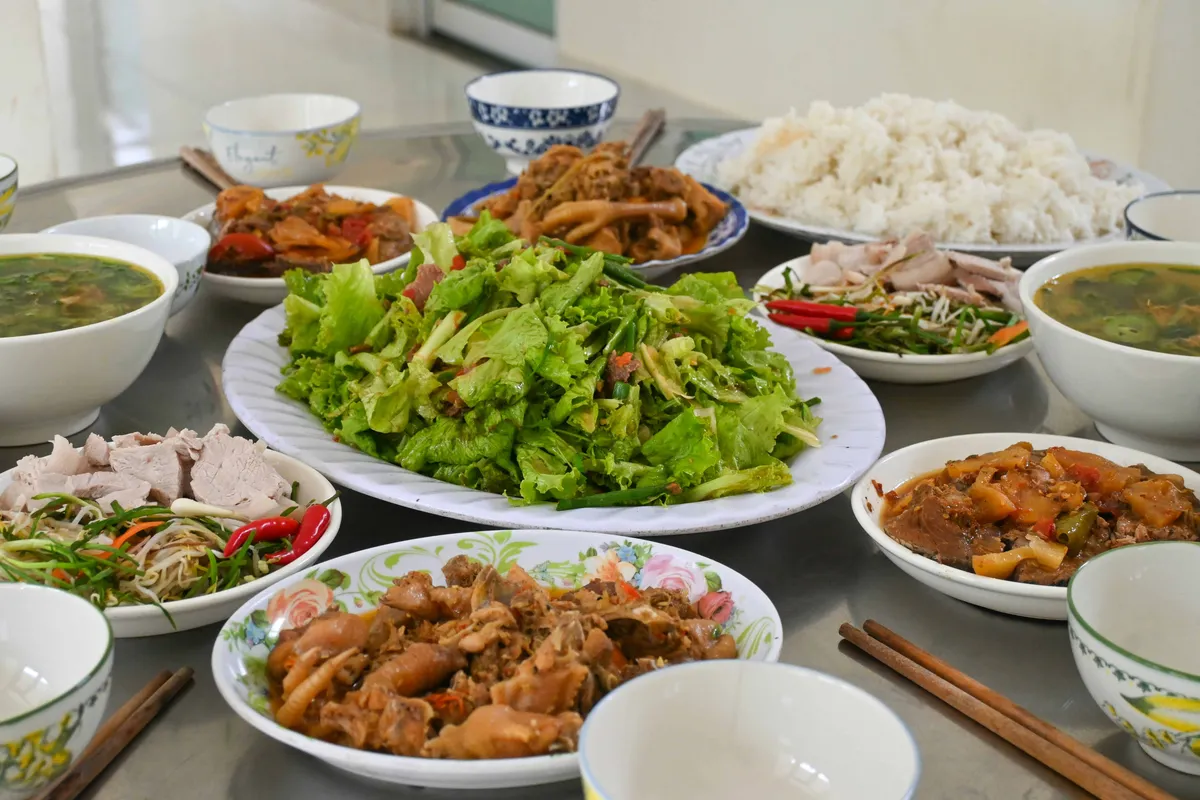
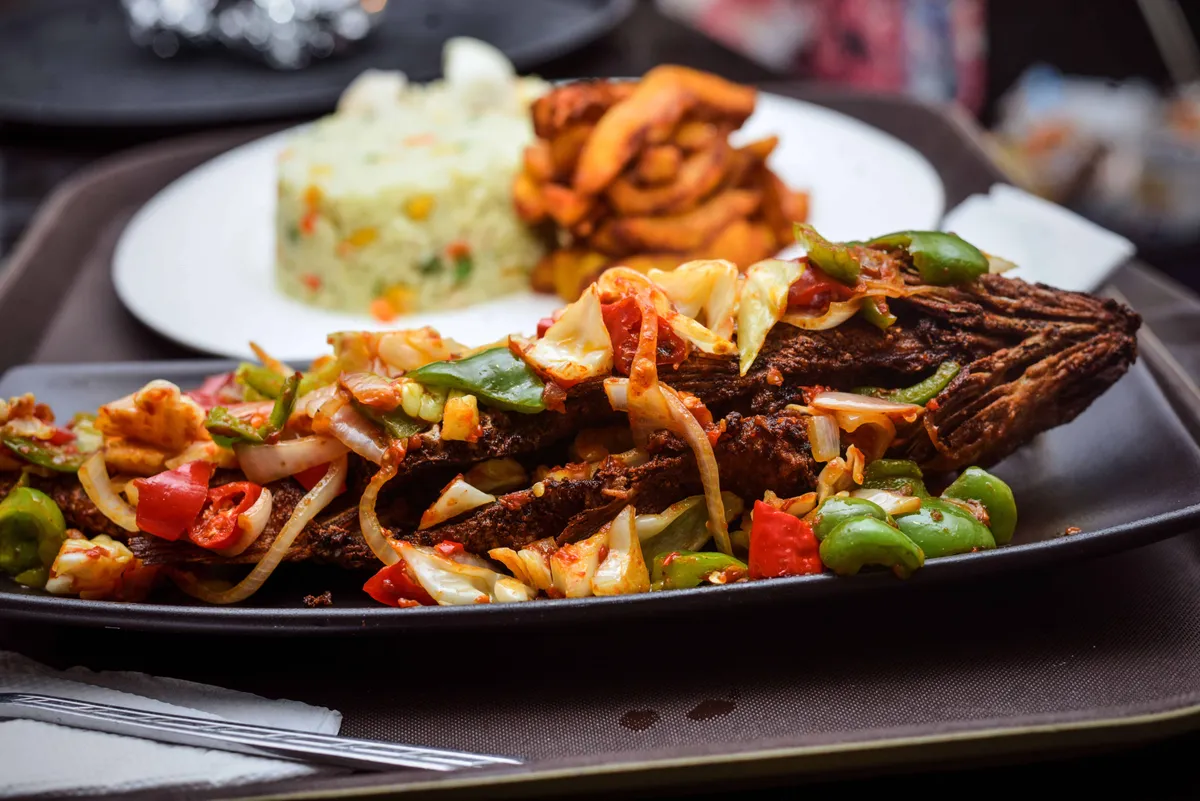
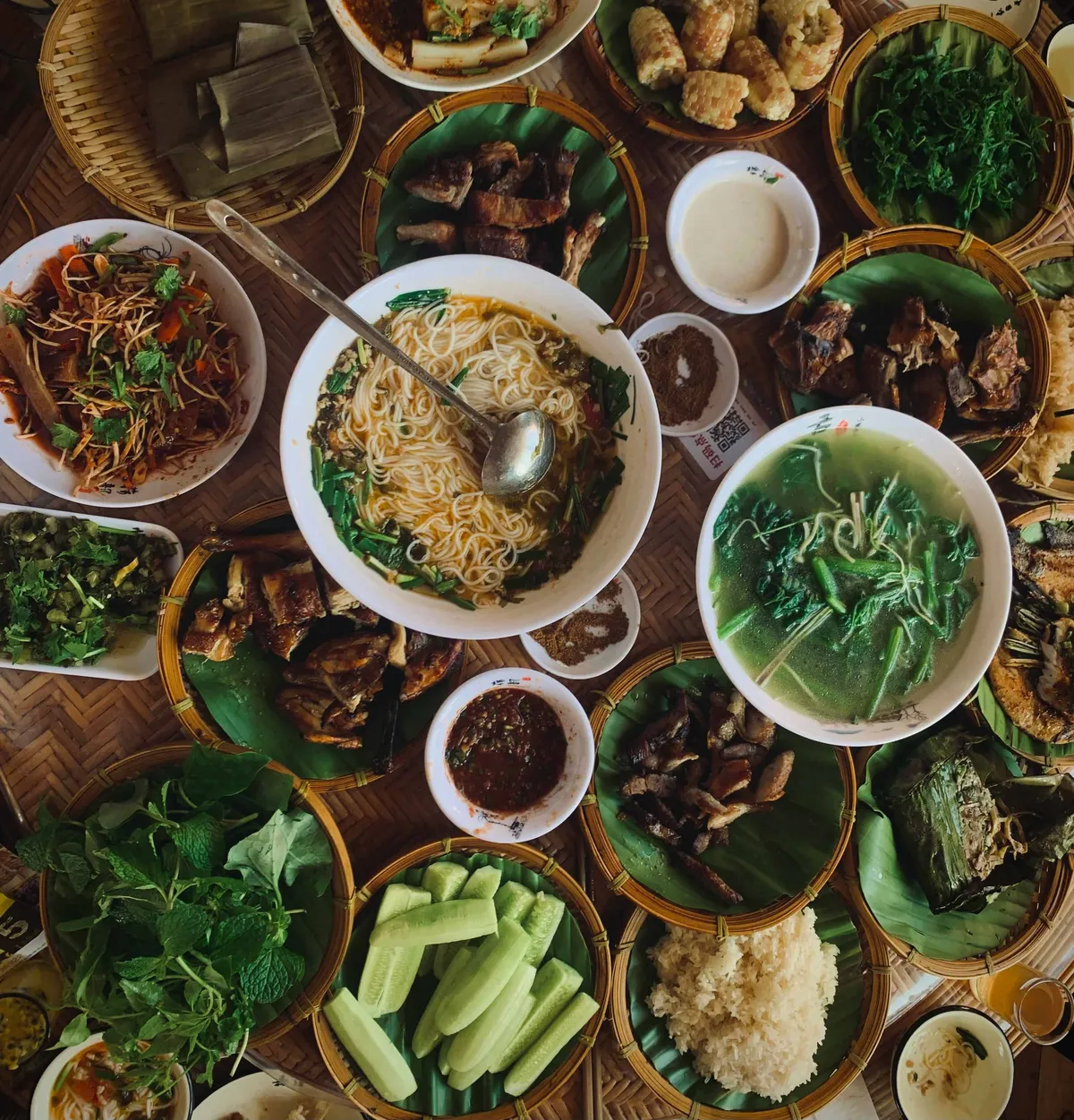
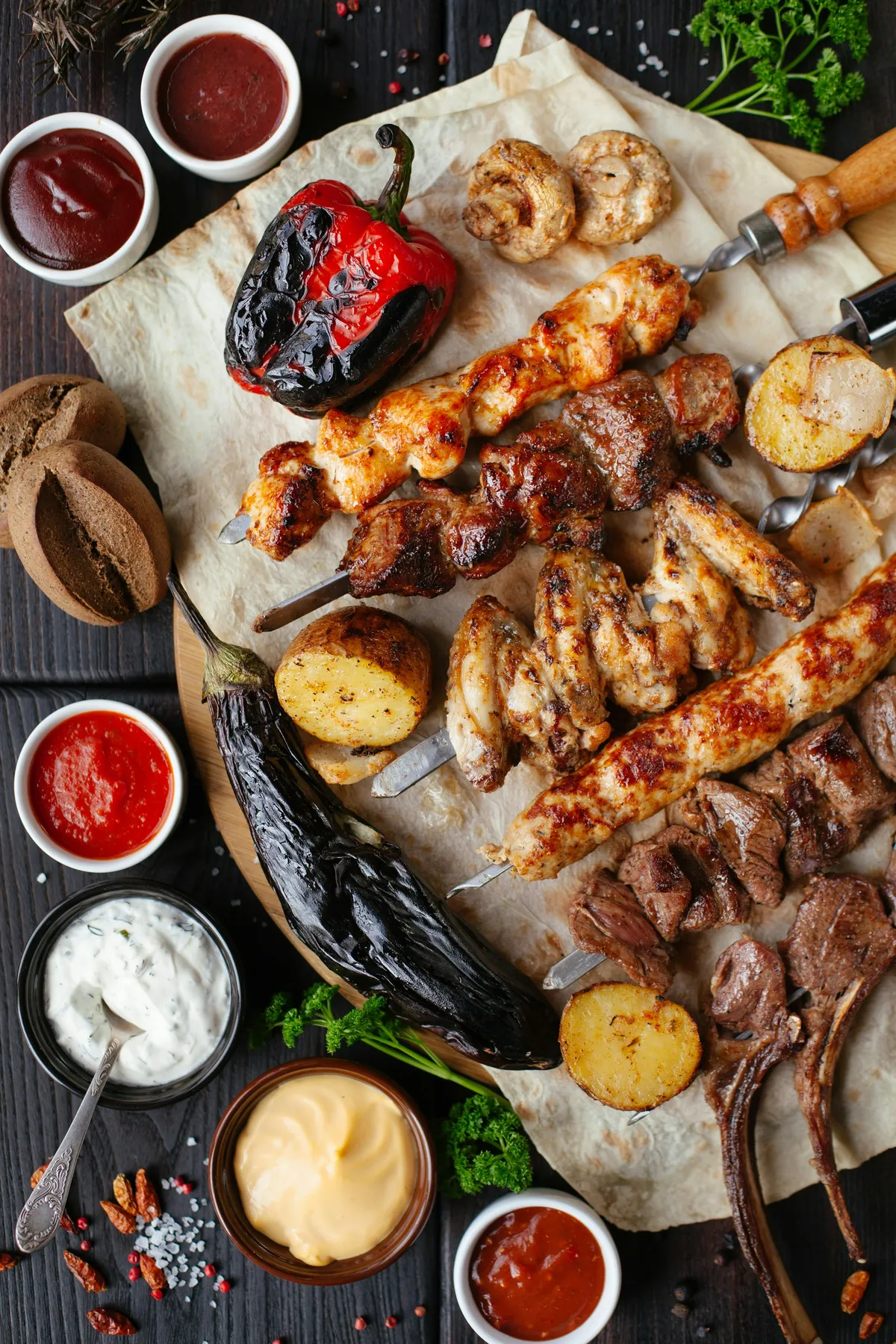

Nyama Choma
Slow-grilled beef or goat, the social heart of Tanzanian evenings.
Ugali
Dense maize porridge served with greens, beans, or fresh fish.
Pilau
Spiced rice with cardamom, cloves, and cinnamon from the Swahili coast.
Maasai Hospitality
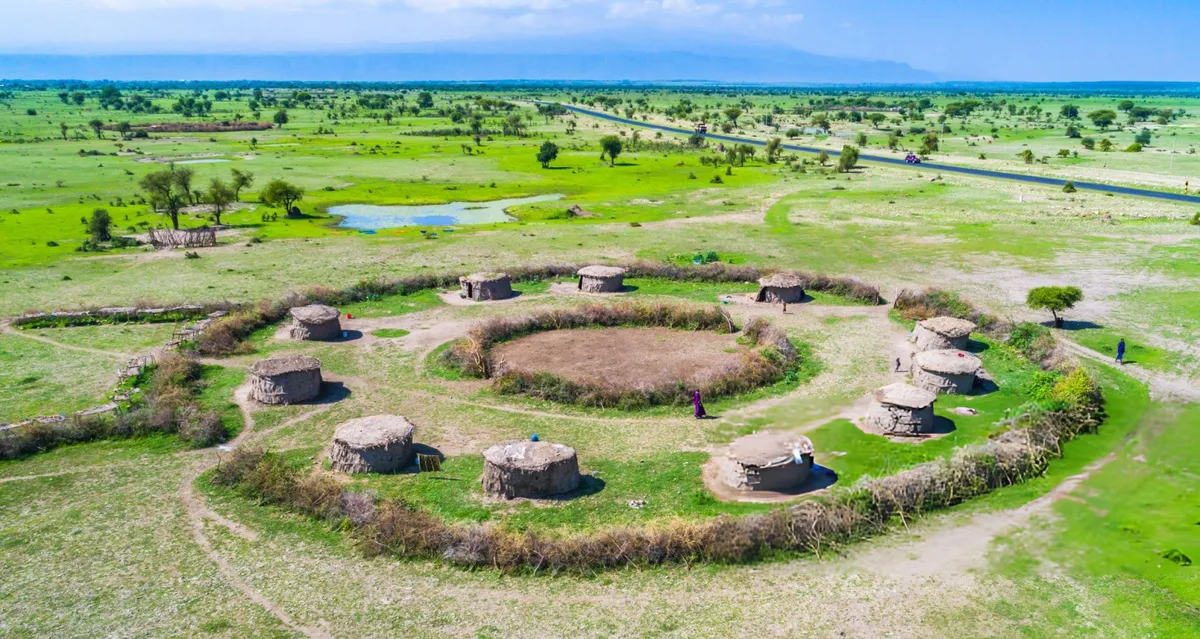
Villages near Arusha welcome visitors into their bomas.
Nyama choma is less a dish than an evening ritual meat grilled slowly over charcoal, sold by weight, and shared standing up at roadside grills long after the sun goes down. Every region argues its version is best; Arusha’s is seasoned simply, letting the char speak for itself.
Tanzanian hospitality runs on more than food. A Maasai boma visit near Arusha typically opens with a welcome song, a walk through a working homestead, and an invitation to ask anything a rare, unscripted window into a culture most visitors only see from a safari vehicle.
Tanzanite & Gemstones: Found Nowhere Else on Earth
Tanzanite was discovered in 1967 in the Mererani Hills near Arusha, and the entire global supply of this blue-violet gemstone still comes from that one small range of hills. Beyond tanzanite, Tanzania produces ruby, sapphire, alexandrite and tsavorite garnet all traded from Arusha. Most international business visitors never find this dimension of the country.
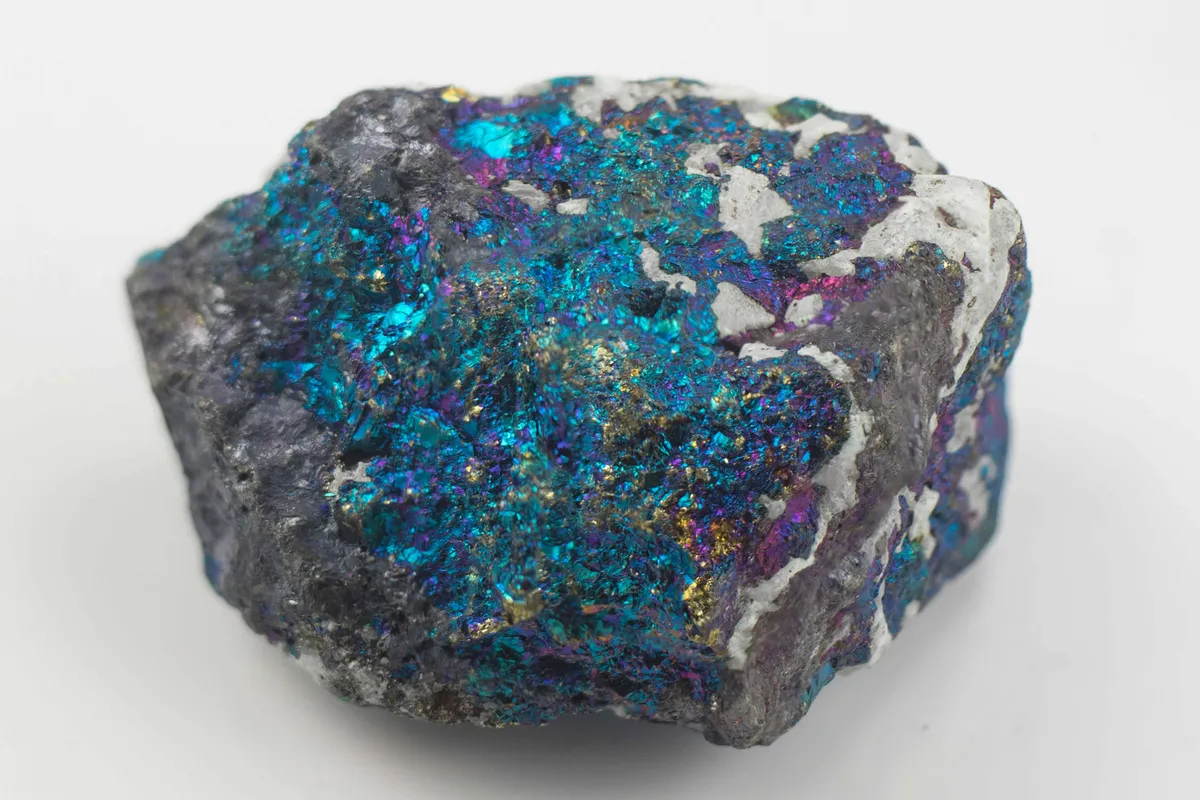
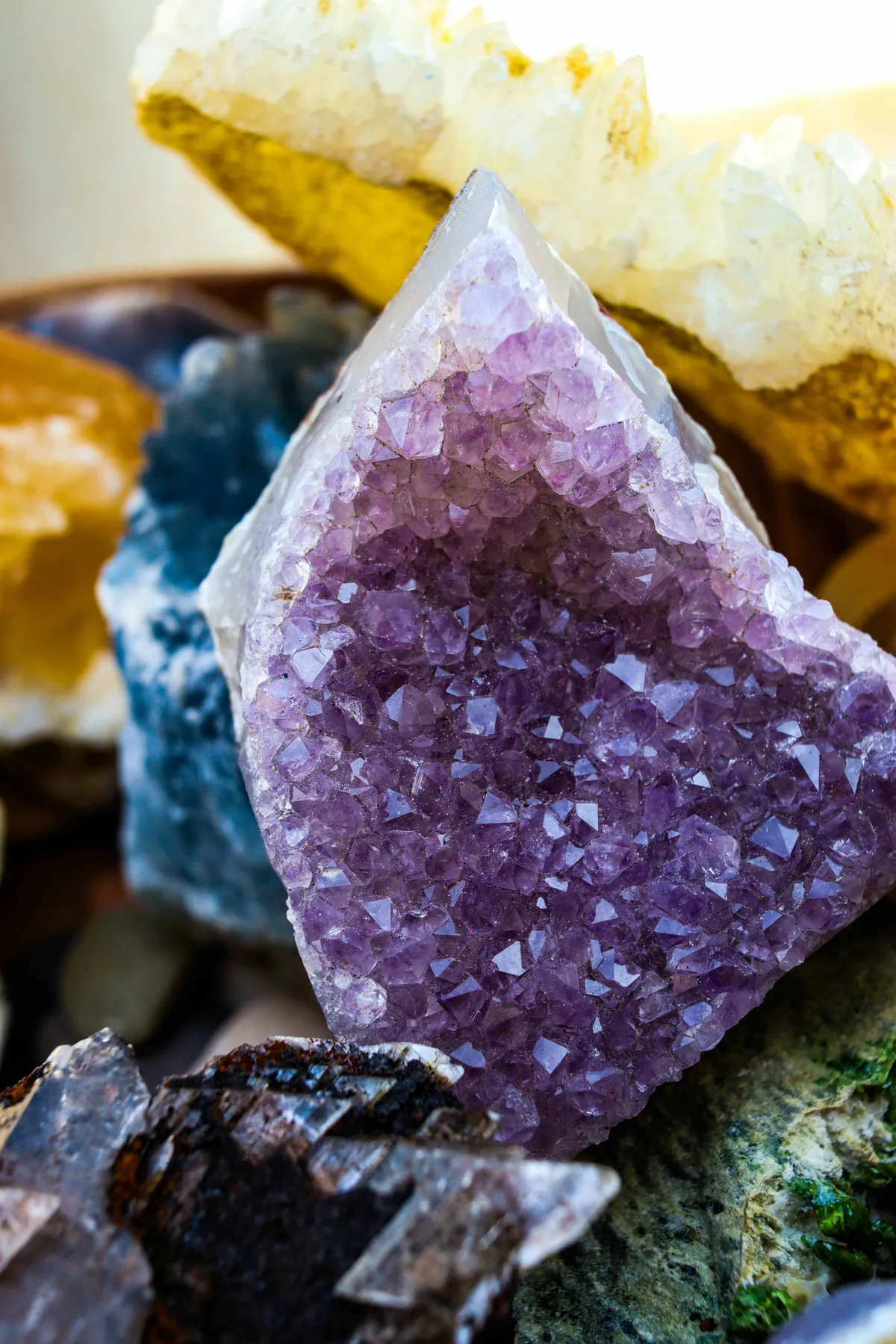

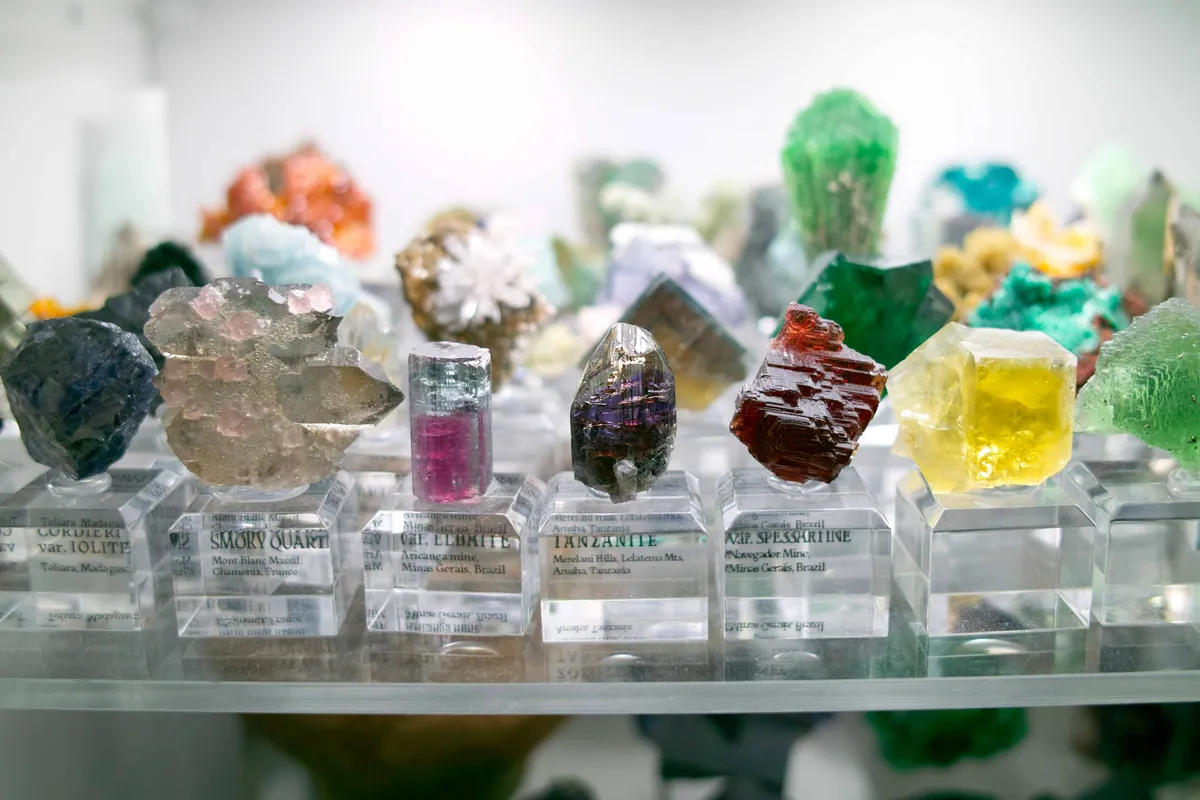
One place on Earth
No commercially viable tanzanite has ever been found outside these hills
Mererani Hills
The single source near Arusha
Found in 1967
A gemstone younger than most of the people who trade it
Arusha
East Africa's primary gemstone trading hub
Tanzanite forms only under an extremely narrow set of geological conditions the right heat, the right pressure, the right trace minerals, all at once. Geologists have searched comparable rock formations worldwide since the 1960s and found no commercially viable second source; every gram in circulation still comes from these hills outside Arusha.
Grading tanzanite is its own craft. Colour intensity, the balance between blue and violet, and cut quality all move the price dramatically, which is why serious buyers visit Arusha’s trading houses in person rather than buying sight unseen.
Ready to Extend Your Trip?
Tell us what caught your eye Kilimanjaro, Zanzibar, a safari, or a gemstone tour and we'll point you to the right local operators to plan it around your visit to HortiLogistica Africa.
Plan My Trip ExtensionOfficial Resources
Verified government and tourism authority links for planning your trip beyond the fair.