
8 - 10 November 2026
Ngurdoto Mountain Lodge · Arusha, Tanzania
Loading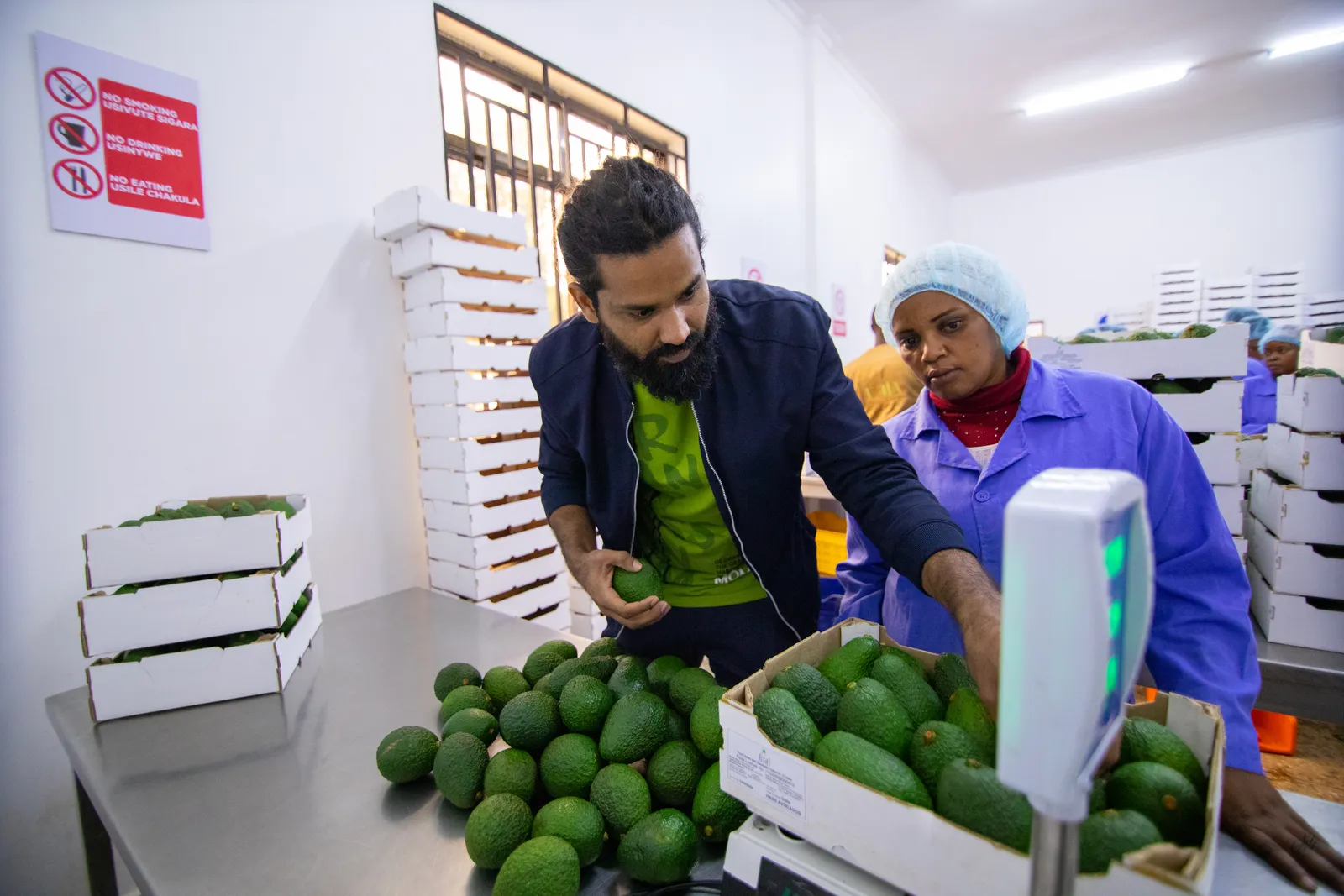
Quietly and without the fanfare that greeted Kenya's floriculture boom, Tanzania has been building one of East Africa's most diversified and fastest-growing horticultural export sectors — and the international market is starting to notice.
Tanzania's horticultural sector has grown at an average rate of 18% per year for the past five years. Avocados, flowers, macadamia nuts, spices, and fresh vegetables are reaching supermarket shelves in Europe, the Middle East, and Asia — often under international retailers' own labels. Yet the country remains largely invisible in the global trade conversation. HortiLogistica Africa aims to change that.
Tanzania's Hass avocado exports have surged by over 60% in three years, with Kilimanjaro and Arusha region farms supplying buyers in the Netherlands, Germany, and the United Arab Emirates. The variety's growing season complement to Kenyan production windows is making Tanzanian avocados increasingly attractive to European importers seeking year-round supply security.
While avocados grab the headlines, Tanzania's horticultural export base is notably diverse. Cut flowers from Iringa greenhouses, vanilla and cardamom from Zanzibar, macadamia from the Southern Highlands, and fresh herbs and chillies from smallholder cooperatives around Morogoro are all finding international buyers. This diversification insulates the sector from single-commodity price shocks and positions Tanzania as a multi-product supplier to global food systems.
The Tanzanian government has committed to doubling horticultural export revenue by 2030, backed by investments in rural road infrastructure, packhouse subsidies, and phytosanitary capacity at ports of exit. International development finance is also flowing into the sector, with the African Development Bank and several European development institutions supporting smallholder export readiness programmes. The stage is set — and HortiLogistica Africa 2026 will be where the world comes to engage.
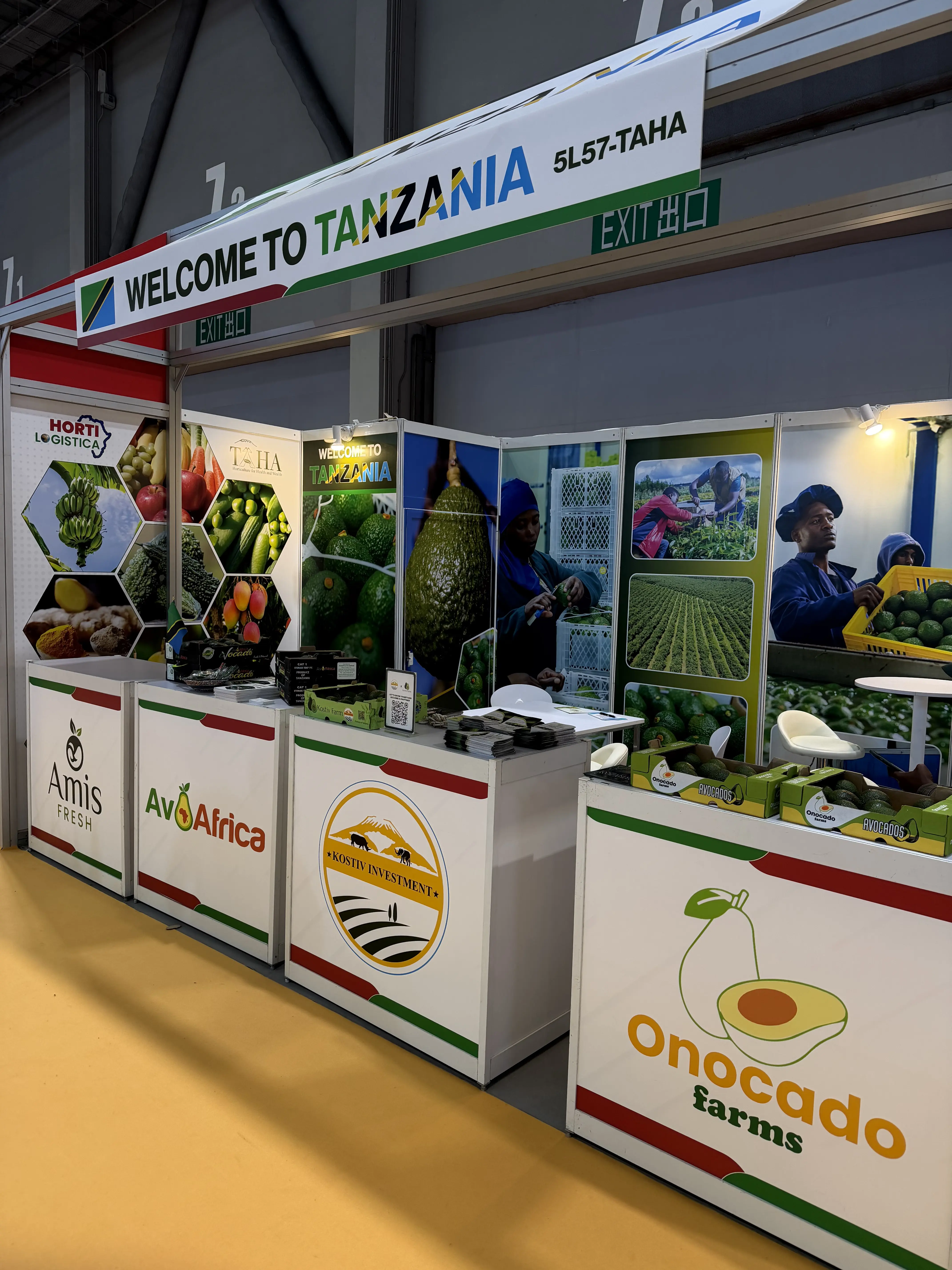
HortiLogistica Africa at Asia Fruit Logistica Hong Kong 2026
September 4, 2026 · 3 min read

HortiLogistica Africa Meets Arusha Regional Commissioner Amos Makala
August 10, 2026 · 2 min read
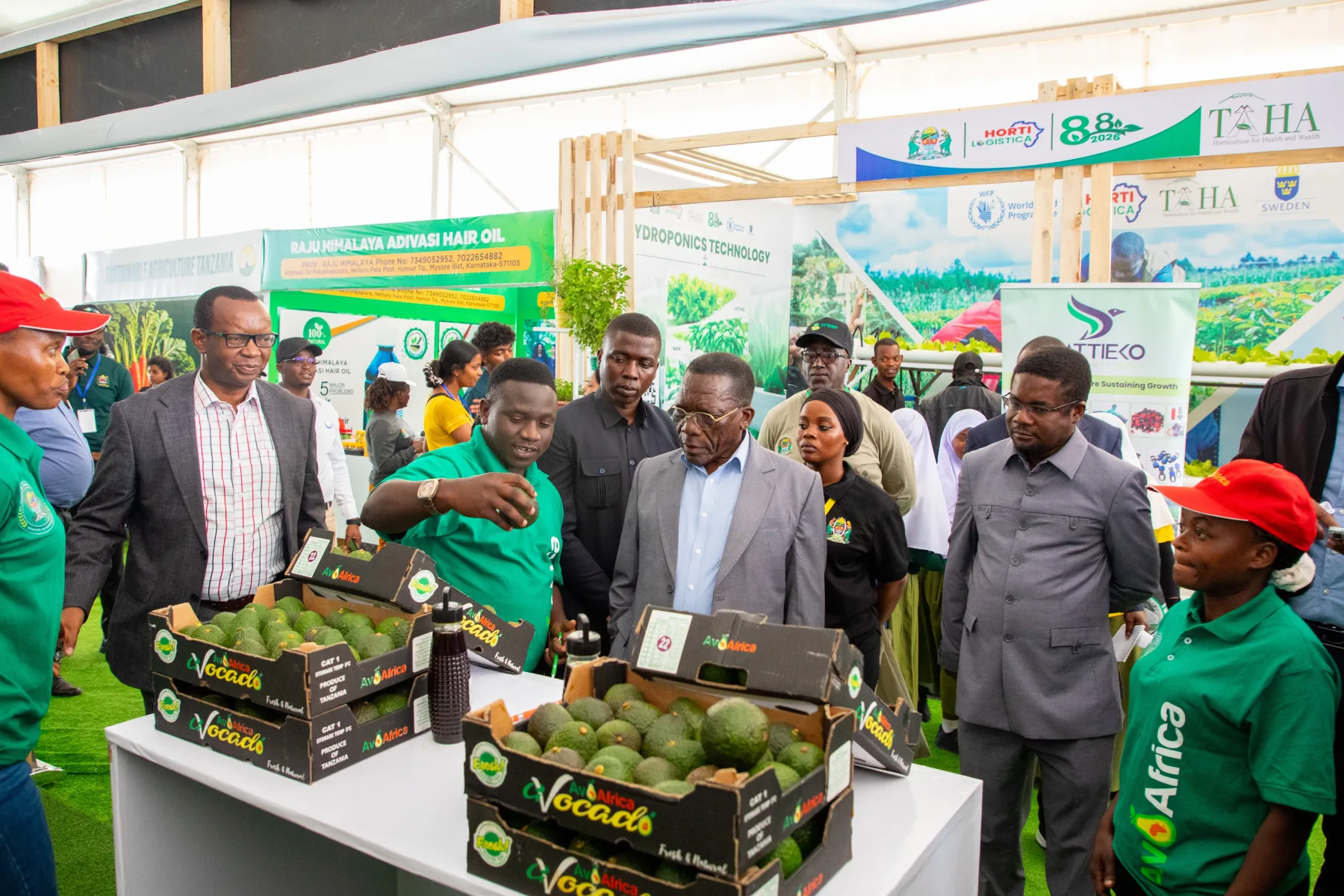
NaneNane 2026 Wraps Up: HortiLogistica Africa Booths Draw Thousands Across Dodoma, Arusha and Zanzibar
August 9, 2026 · 3 min read